
Blog
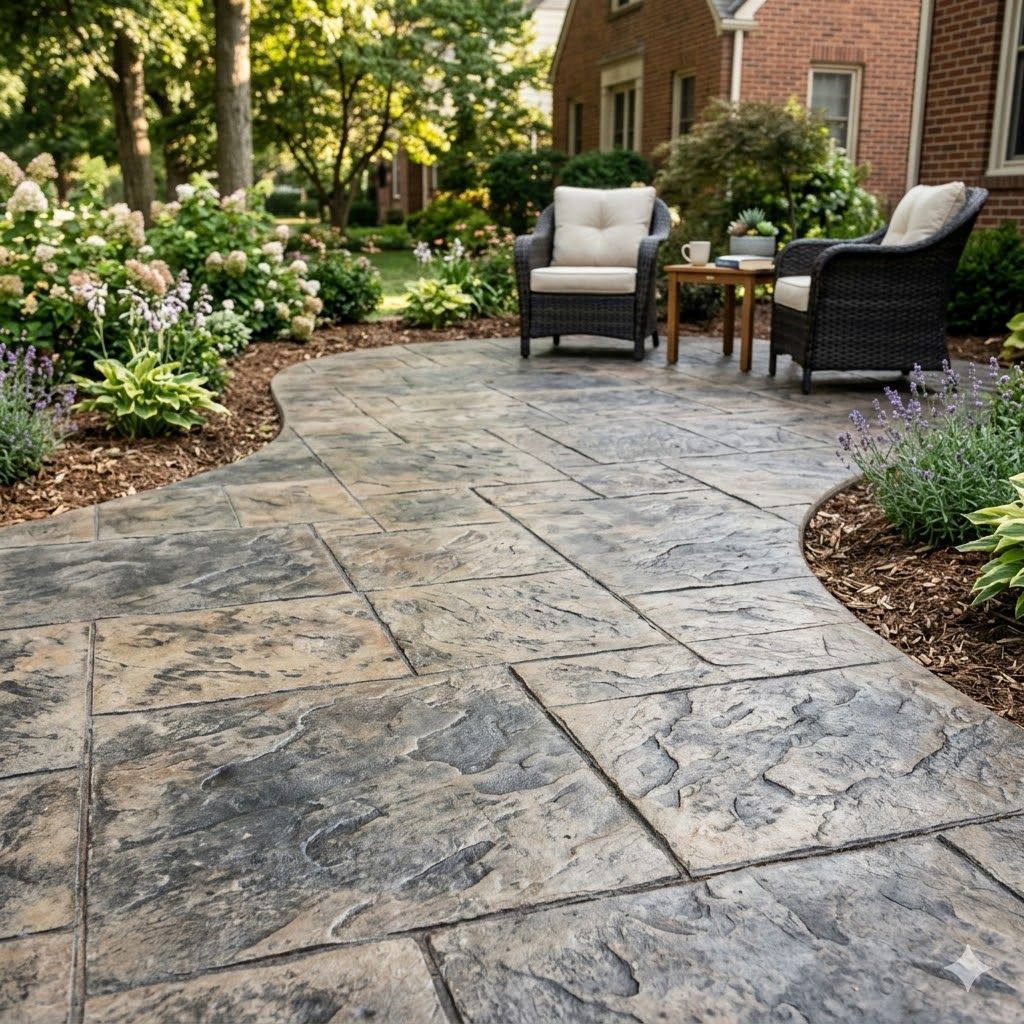
Let’s be honest: when you picture a concrete patio or driveway, your mind probably goes straight to a big, flat, gray slab. It’s functional, sure, but it’s not exactly the kind of thing that makes you want to invite the whole neighborhood over for a BBQ. But what if you could have the strength of concrete with the look of expensive slate, rustic wood planks, or classic European cobblestone? That is exactly where stamped concrete comes in. It is the ultimate "cheat code" for home improvement. You get a high-end, custom look for a fraction of the price of natural stone. If you’re a homeowner in the Youngstown area thinking about a backyard glow-up, you’ve probably got some questions. How does it work? Is it durable? Can I do it myself, or should I call in the pros at Precision Paving Youngstown ? In this guide, we’re going to pull back the curtain on the entire process. By the time you’re done reading, you’ll know exactly what it takes to get a magazine-worthy finish right in your own backyard.
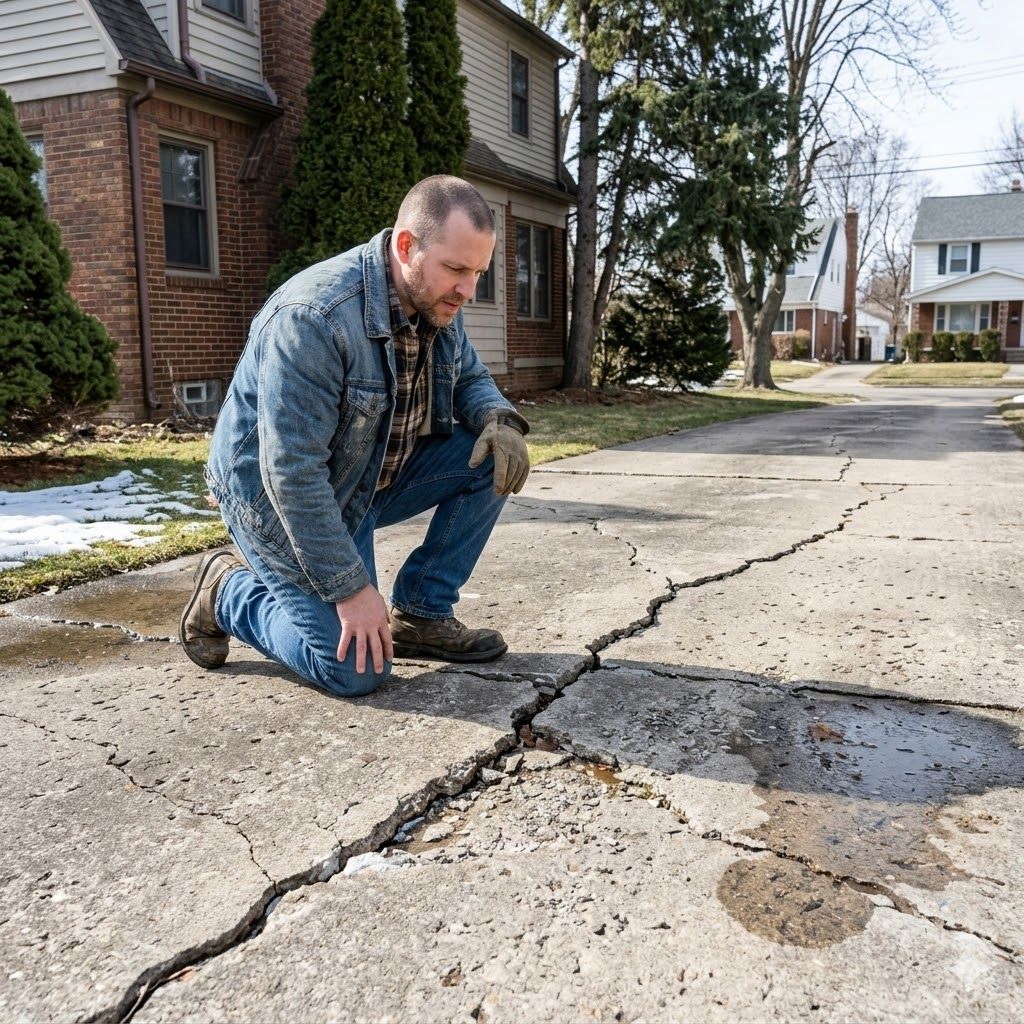
7 Signs You Need Concrete Repair in Youngstown
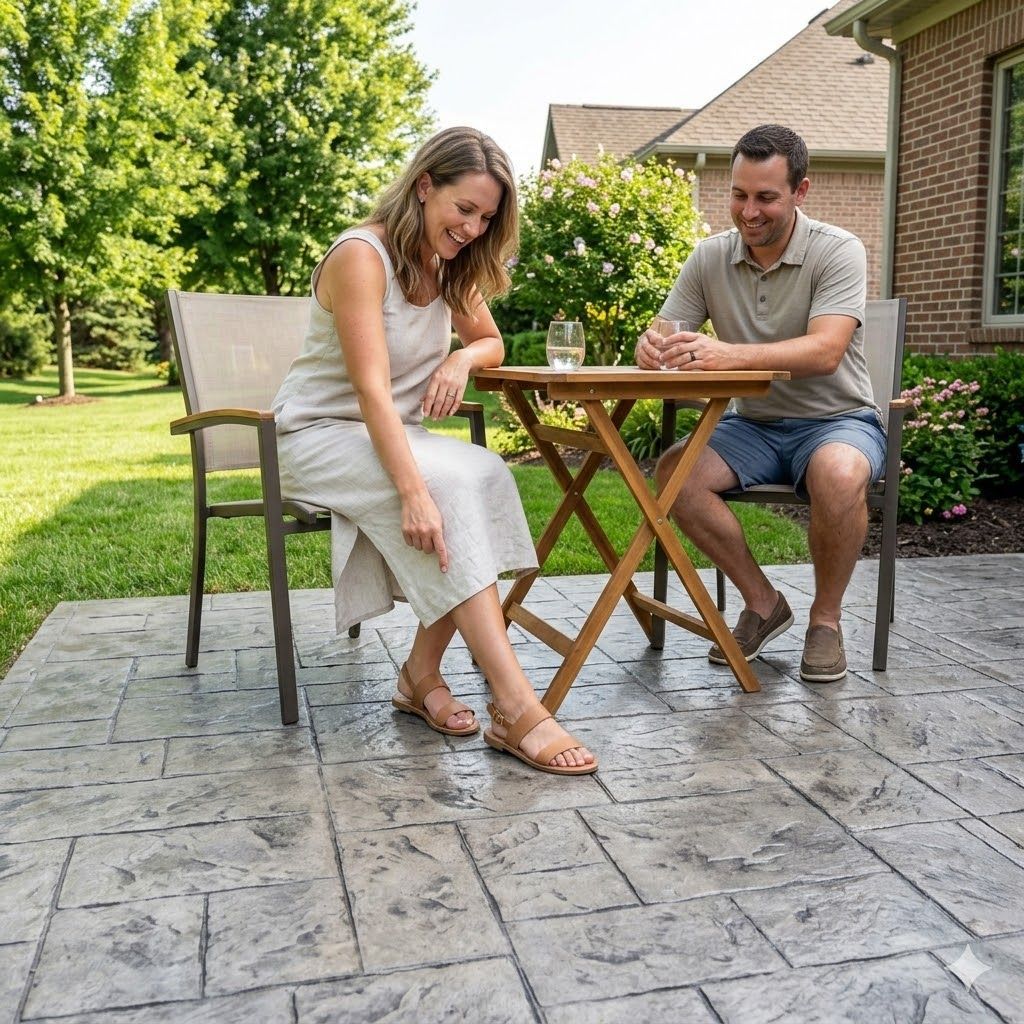
Want a stunning patio without the cost of real stone? Learn how stamped concrete transforms Youngstown homes with high-end style and a massive ROI.
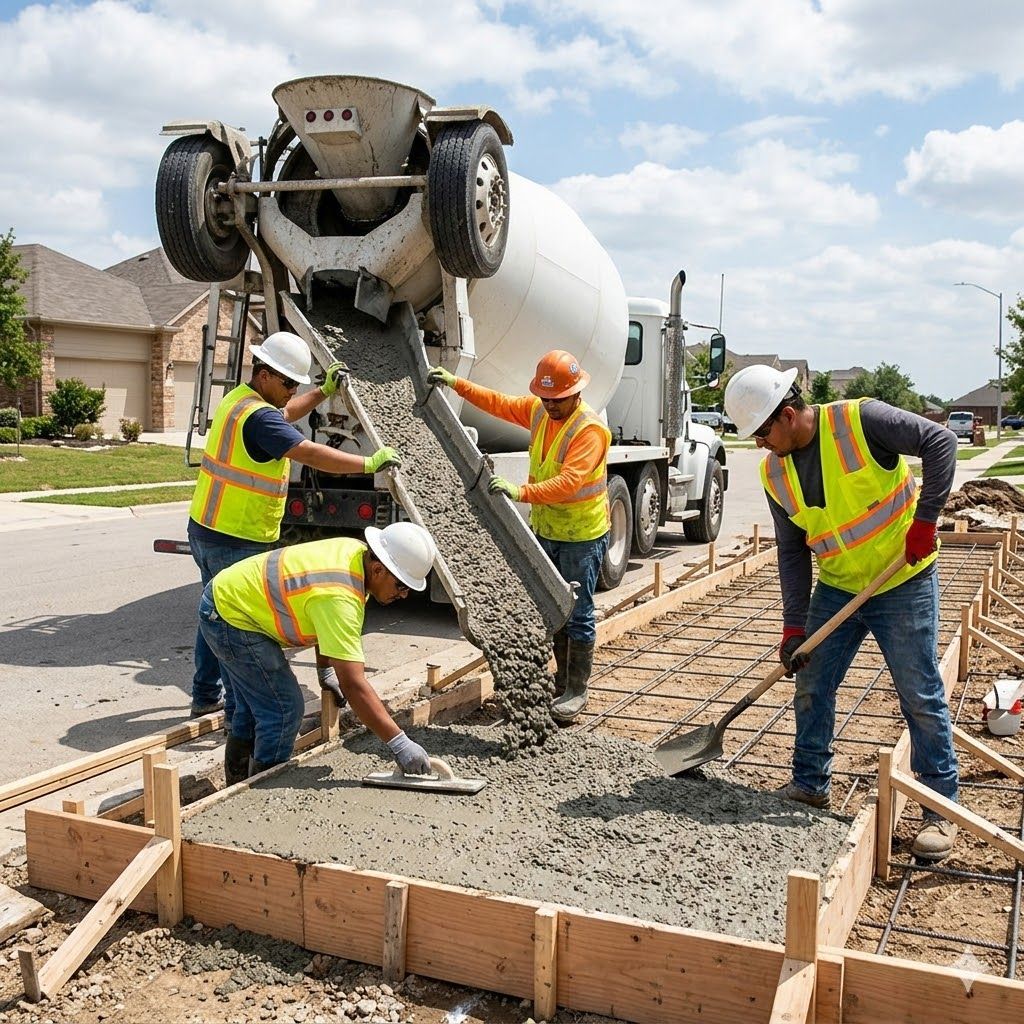
Want a flawless concrete slab in Youngstown? Discover the expert secrets to concrete pouring, from subbase prep to the perfect mix for Ohio weather.
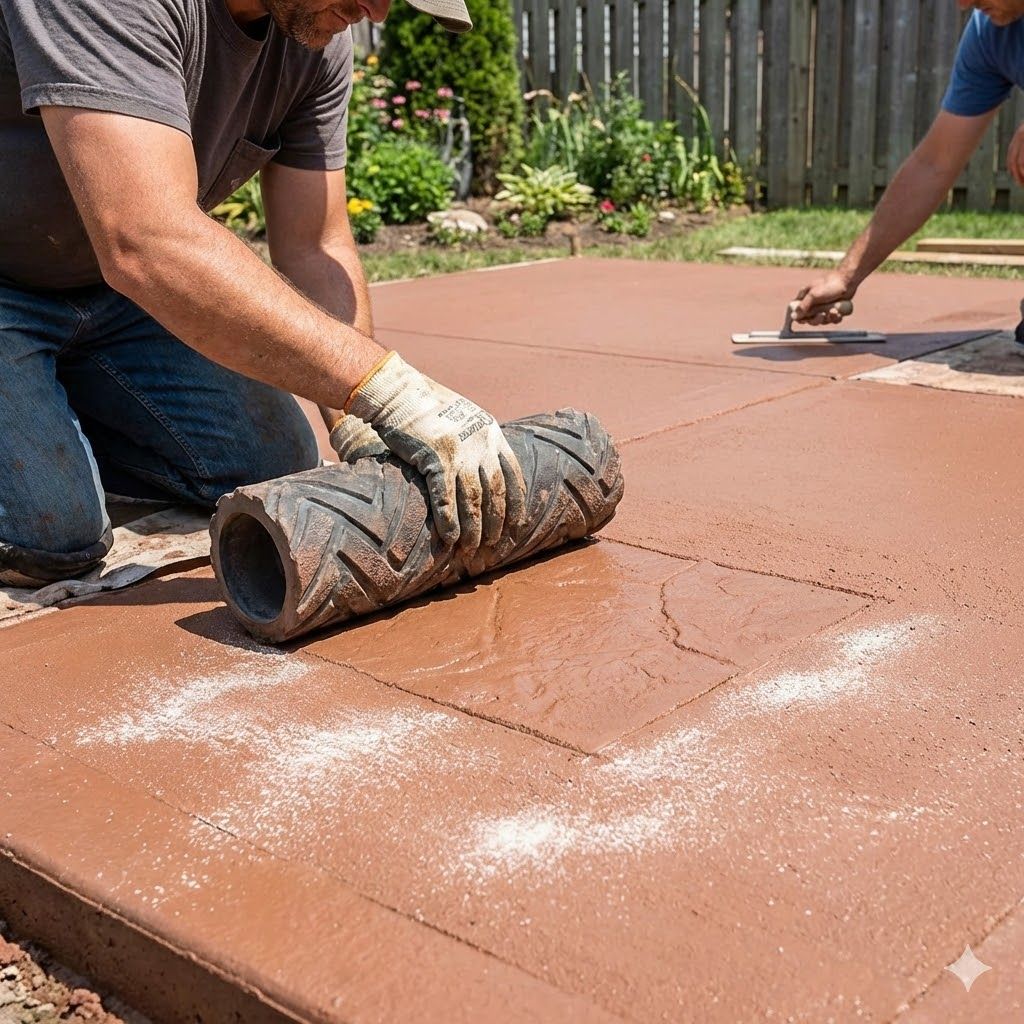
[Free Estimate] Compare stamped concrete vs exposed aggregate. ✓ Price differences ✓ 25+ year durability ✓ Winter traction for Ohio driveways.
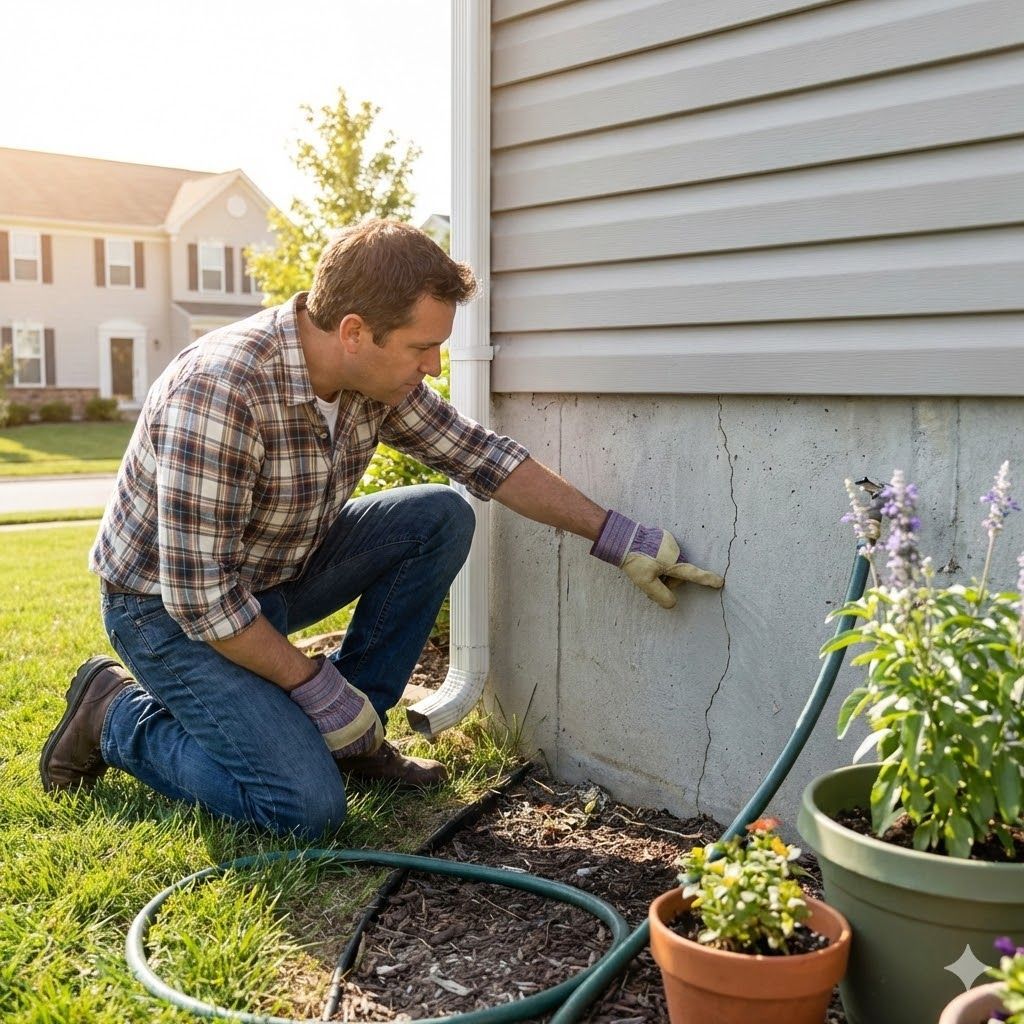
Worried about a foundation crack in your Youngstown home? Learn why foundations crack, the warning signs of structural failure, and how to fix them today!
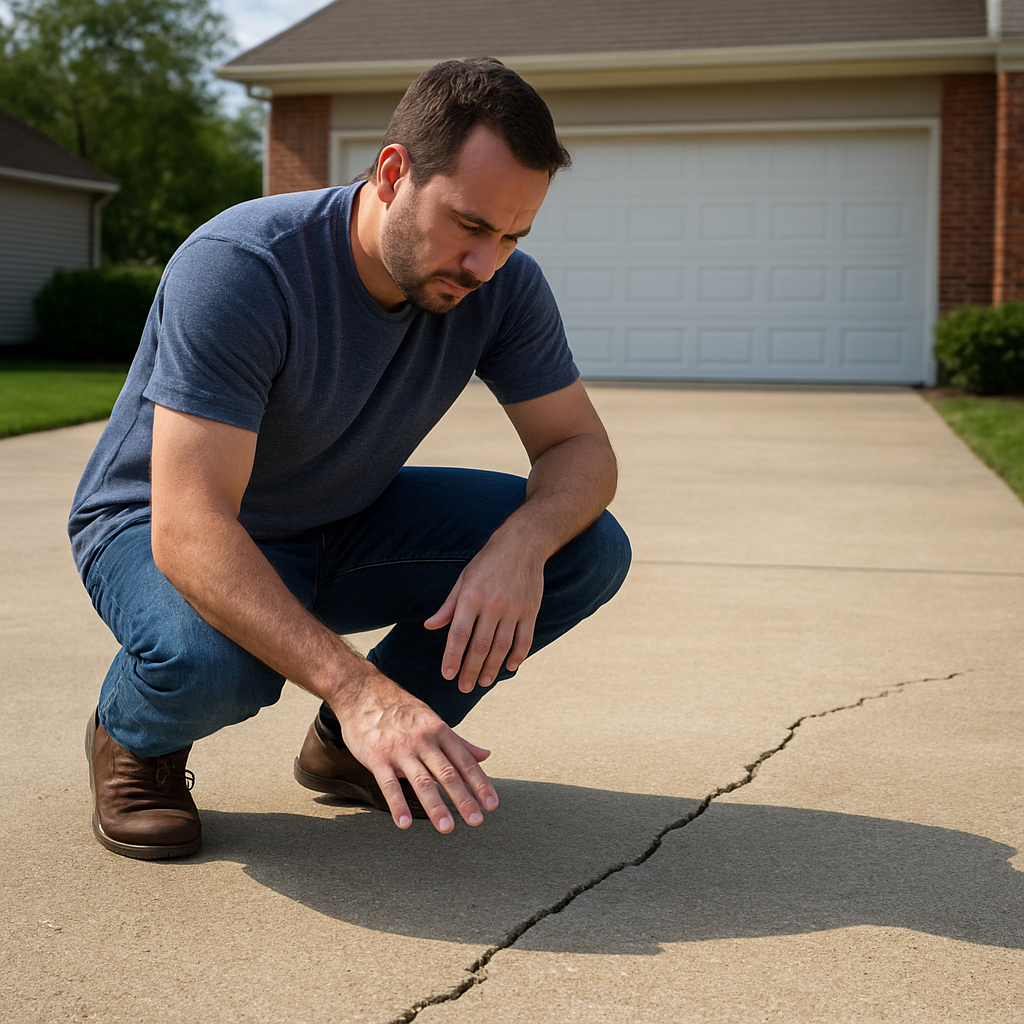
Cracks in your Youngstown driveway? Learn the "50% Rule" to decide if you should repair or replace your concrete before the next brutal Ohio winter hits.
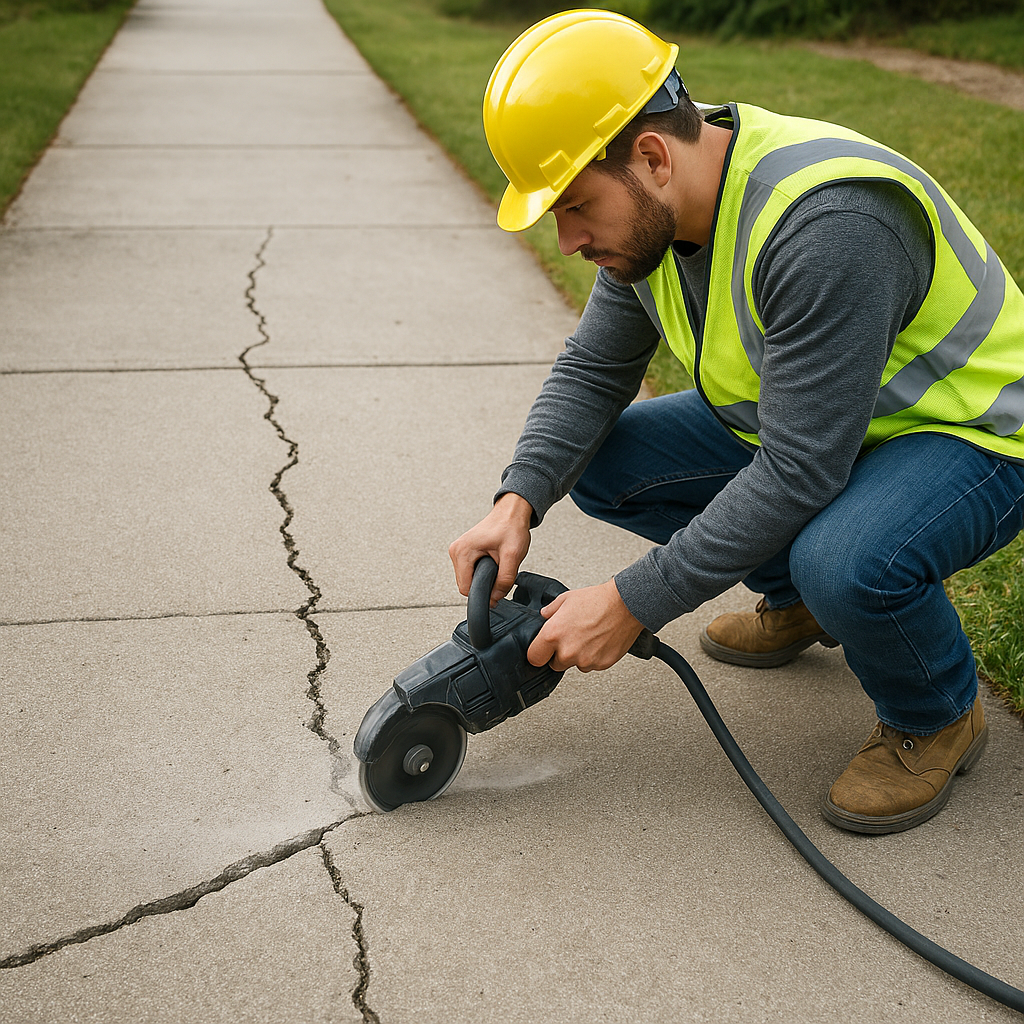
Should you DIY your concrete repair or call a pro? Learn why poly-jacking is the best way to fix sunken Youngstown sidewalks for 50% less than replacement.
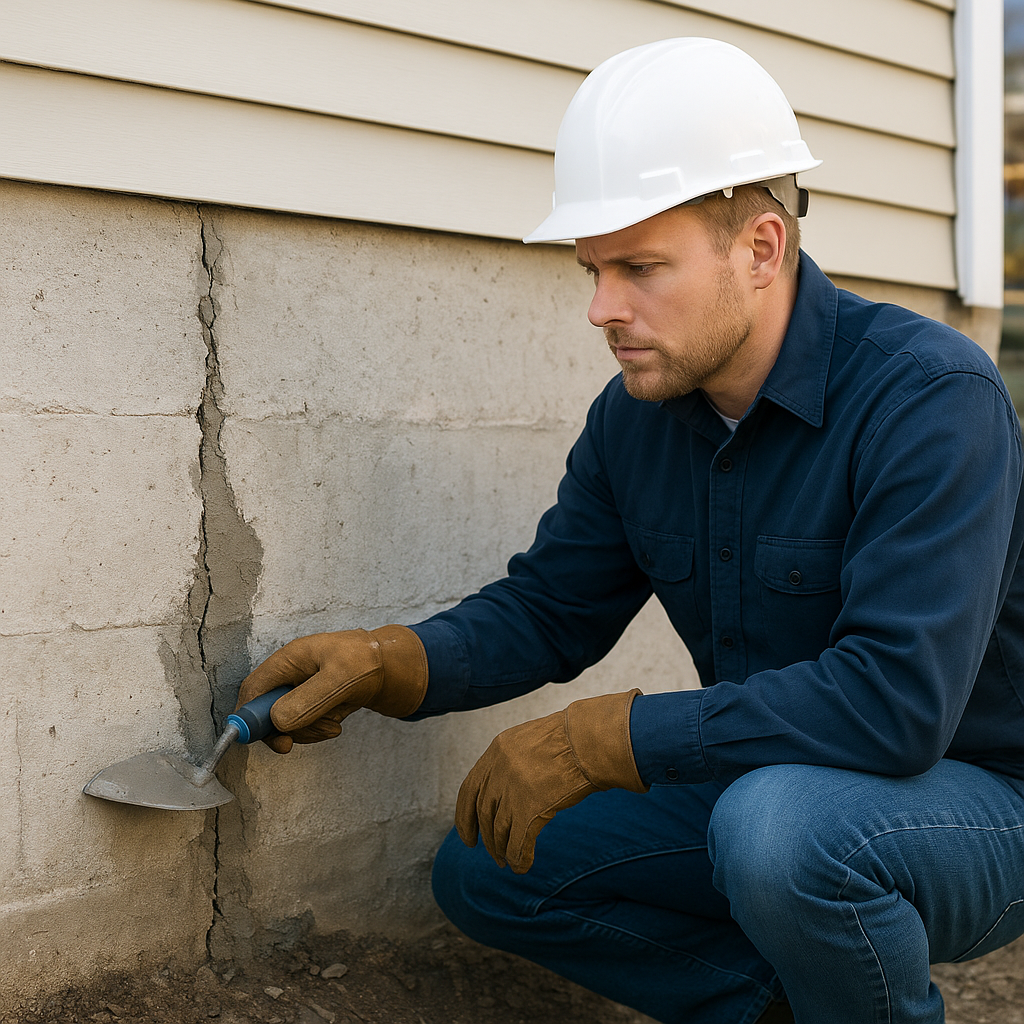
Discover why Youngstown homeowners should trust foundation concrete repair specialists, understand the risks, signs, and solutions—keeping your home safe and stable.
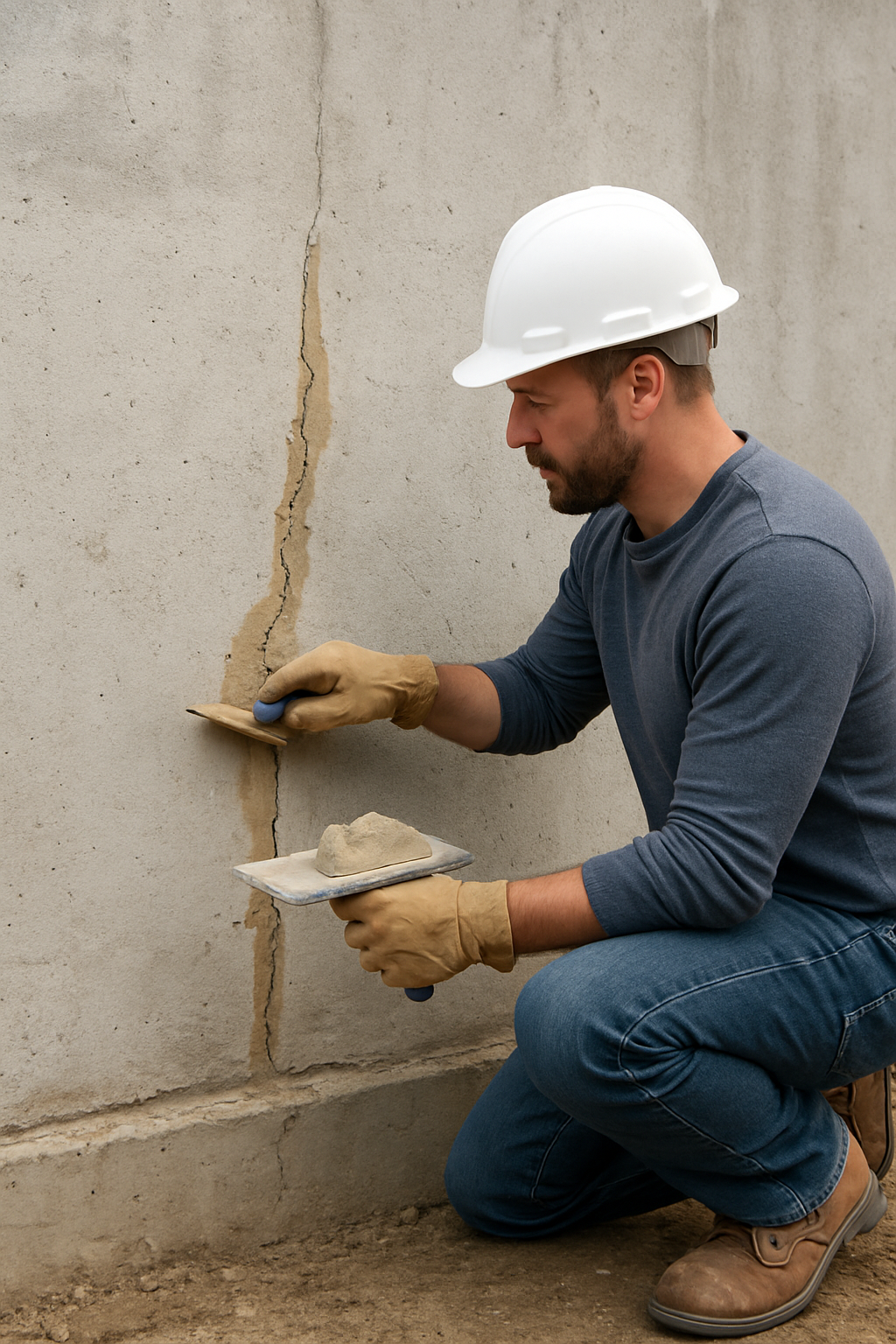
Concrete patch or epoxy injection? Discover the best way to fix foundation cracks in Youngstown. Learn which method restores structural integrity and stops leaks.