Concrete Pouring 101: Expert Tips for Stronger Slabs
1. The Secret is Under the Surface (The Subbase)
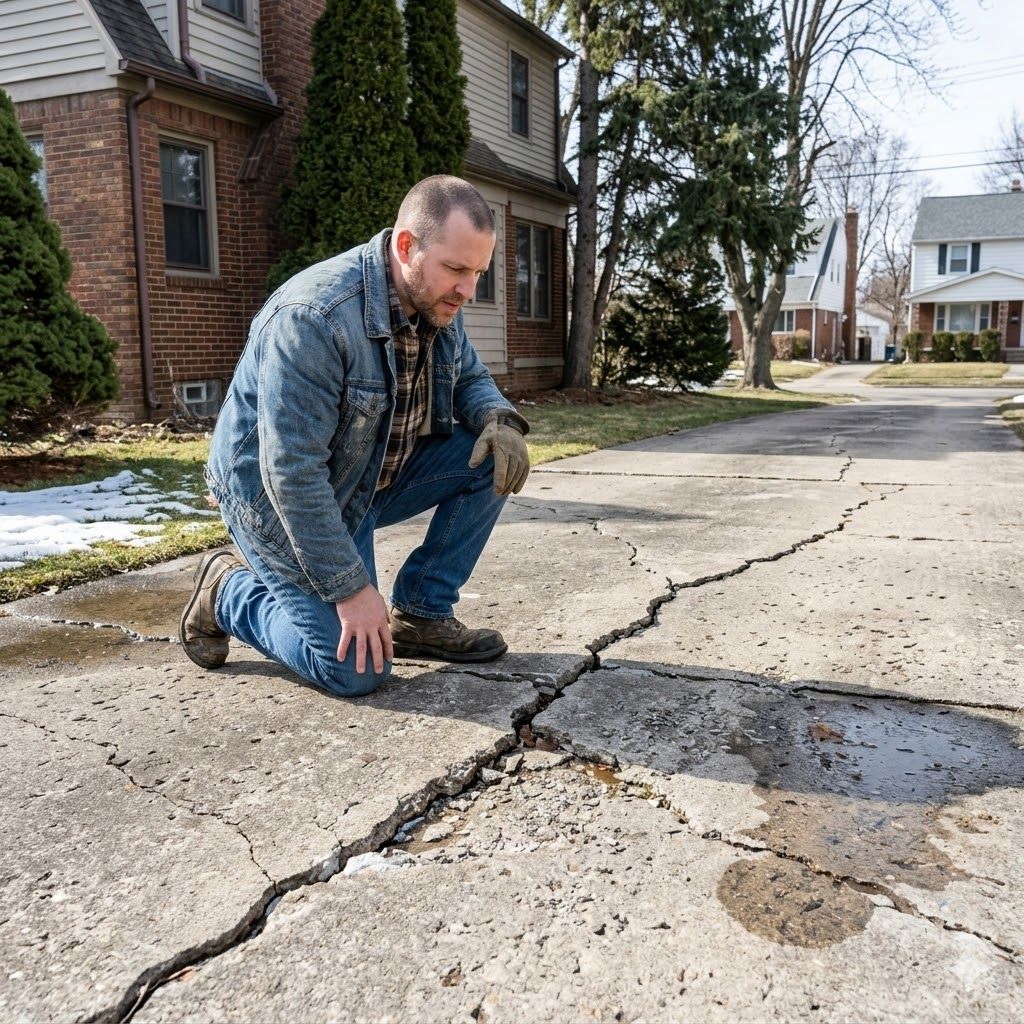
Let’s be real for a second: concrete pouring looks easy when you see a professional crew doing it. They make it look like they’re just spreading butter on toast. But then you try it yourself, or you hire a "tailgate contractor" who disappears halfway through the job, and suddenly you’re left with a cracked, crumbling mess that looks more like a gravel pit than a patio.
In Youngstown, our concrete has to work harder than in other parts of the country. We have heavy clay soil and winters that can go from 10°F to 50°F in forty-eight hours. That constant shifting is a nightmare for a slab.
Whether you are looking to tackle a small project yourself or you’re hunting for a concrete installation service in Youngstown to do the heavy lifting, these expert tips will ensure your next pour results in a slab that stands the test of time.
A concrete slab is only as good as the ground it sits on. Most homeowners think you just dig a hole and pour. If you do that in Youngstown, the clay will expand when it gets wet, push up on your slab, and snap it.
Expert Tip: You need a solid 4 to 6 inches of compactable gravel (like #57 stone) under your concrete. This gravel provides a "cushion" and allows water to drain away. Use a plate compactor to make that gravel as hard as a rock. If your contractor just throws concrete over dirt, they are "ghosting" you on quality—even if they show up for work.
2. Don’t Skimp on the "Bones" (Reinforcement)
Concrete is incredibly strong when you push down on it (compression), but it’s actually pretty weak when you try to pull it apart (tension). Since the ground under your house is always moving, your slab needs "bones" to hold it together.
For a standard concrete patio service or sidewalk, you should use:
- Rebar: Steel bars that provide massive strength.
- Wire Mesh: Great for preventing small surface cracks.
- Fiber Mesh: Tiny fibers mixed into the wet concrete that act like thousands of little umbrellas holding the mix together.
In Youngstown, where the "freeze-thaw" cycle is brutal, we recommend using a combination of rebar and fiber-reinforced concrete for maximum durability.
3. The Right "Recipe" for Ohio Weather
When you call for a concrete pouring delivery, you can’t just ask for "some concrete." You need to know the PSI (Pounds per Square Inch).
- For walkways: 3,000 to 3,500 PSI is usually fine.
- For driveways or heavy slabs: You want at least 4,000 PSI.
The Pro Secret: Air Entrainment. This is a must for Ohio. Air-entrained concrete has billions of microscopic bubbles. When water gets into your slab and freezes, it expands into these tiny bubbles instead of cracking the concrete. If your slab doesn't have this, it won't survive three winters in the 330.
4. The Pour Day: Timing and Tools
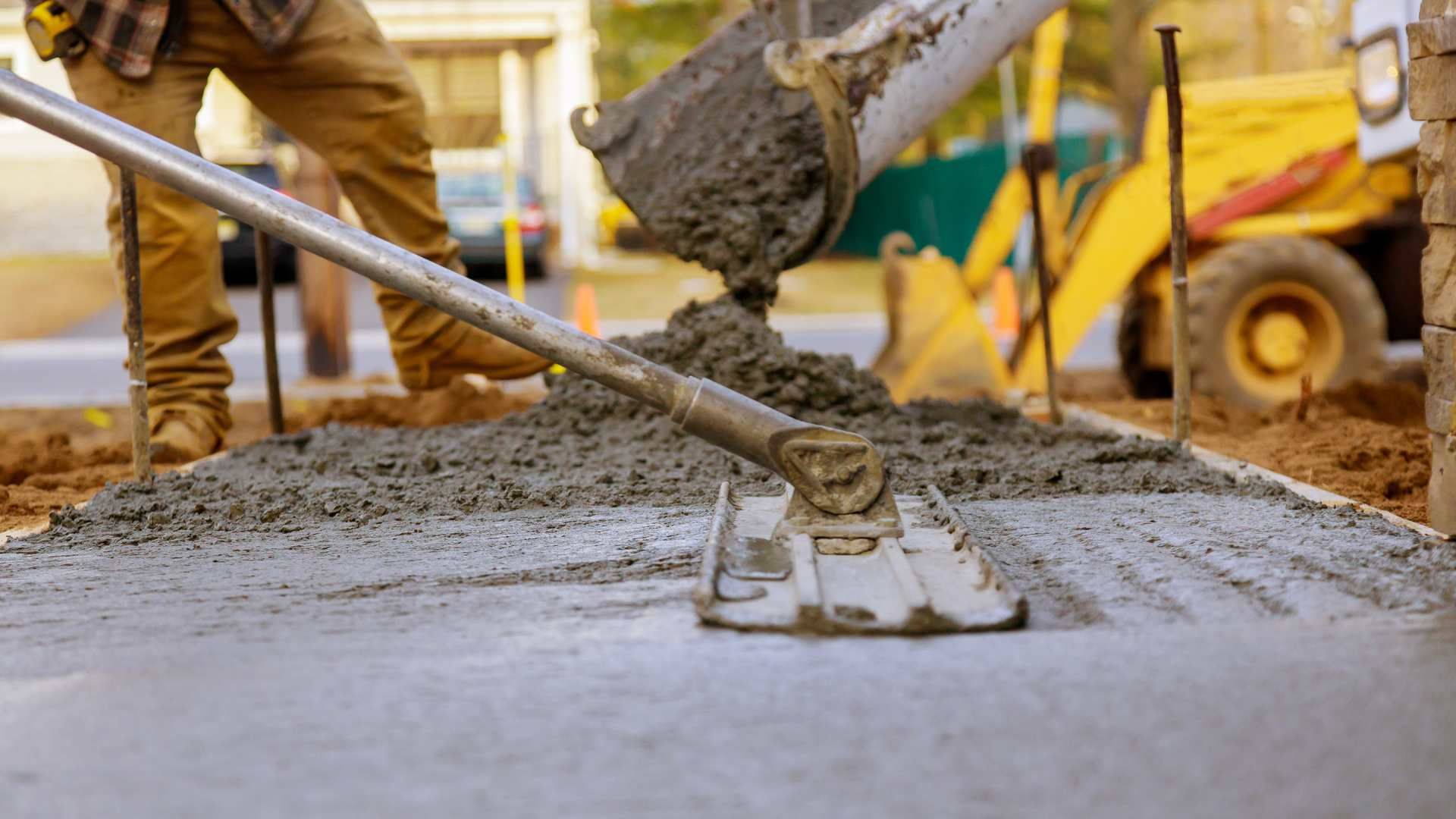
Once the truck arrives, the clock starts ticking. You have about 90 minutes to get that concrete out, leveled, and finished before it starts to "set."
- Screeding: Using a long board to level the concrete with the top of your forms.
- Bull Floating: Using a large flat tool on a pole to push down the large rocks (aggregate) and bring the "cream" to the top.
- Edging: Creating those nice rounded edges. This isn't just for looks; rounded edges are less likely to chip off later.
If you’re worried your current driveway isn't up to the task of another winter, check out our guide on is your Y-town driveway ready for winter.
DIY vs. Professional Concrete Pouring
Feature
DIY Concrete Pour
Cost
Lower (Labor is free!)
Higher (Labor + Expertise)
Equipment
Rental fees add up fast
All industrial tools included
Risk
High (Mistakes are permanent)
Low (Guaranteed results)
Speed
Usually a full weekend
Often done in a few hours
Durability
Variable
Engineered for 30+ years
5. The Part Everyone Skips: Curing
Most people think once the concrete is hard enough to walk on, the job is done. Wrong. Concrete doesn't "dry"—it undergoes a chemical reaction called hydration. If the water leaves the concrete too fast, the slab will be weak and dusty.
Expert Tip: You need to keep your new slab wet. For at least 3 to 7 days after
concrete pouring, spray it down with a garden hose a few times a day, or cover it with plastic sheets to trap the moisture. This simple step can make your concrete 50% stronger.
6. Avoiding the "Ghosting" Nightmare
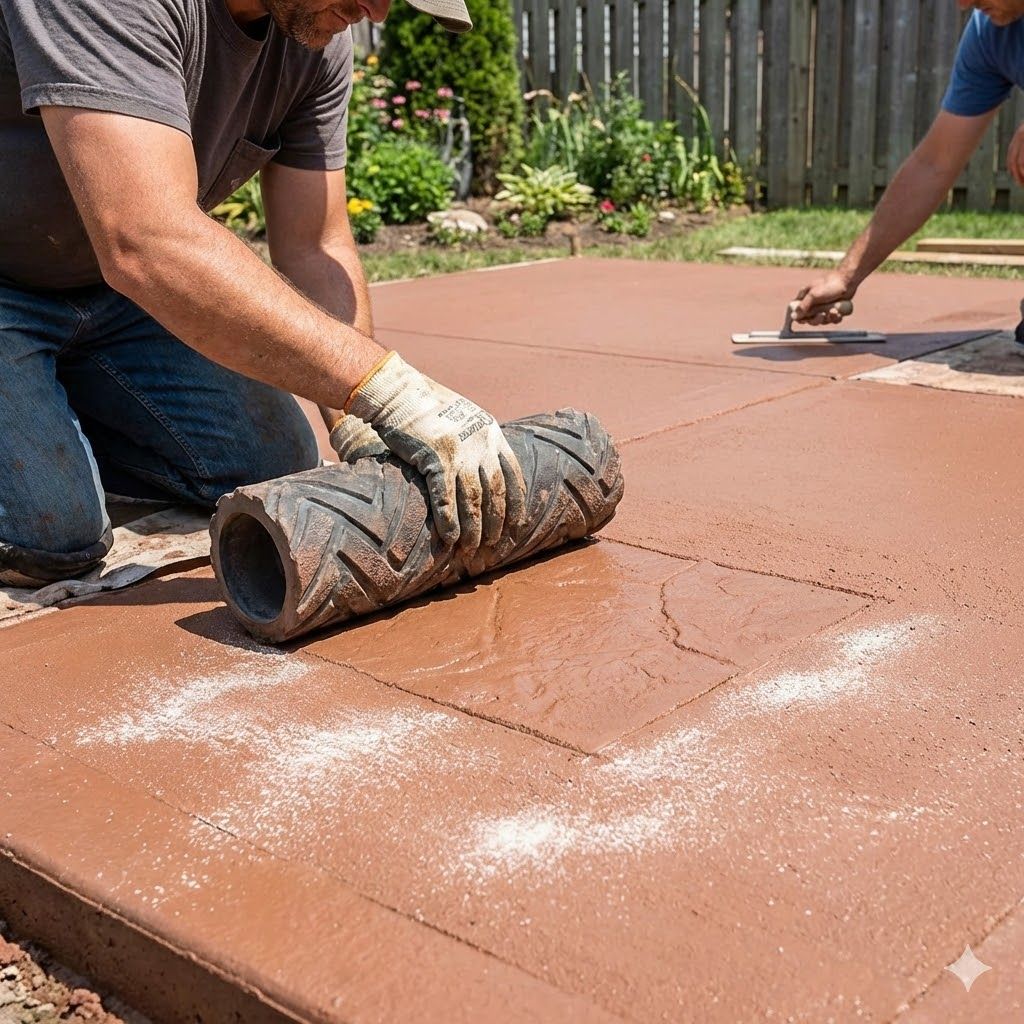
As we’ve talked about before, the home improvement world in Ohio has a problem with reliability. You might find a guy who promises a "great deal" on stamped concrete in Ohio, but then he stops answering his phone the day the truck is supposed to show up.
To avoid being ghosted:
- Check for a physical address: Don't just hire a guy with a Gmail address and a truck.
- Look for a portfolio: A real pro will show you their stamped vs. exposed aggregate projects with pride.
- Ask about the prep: If they don't mention gravel or compaction, run the other way.
"A cheap concrete job is the most expensive thing you'll ever buy. You'll pay for it once to put it in, and twice to tear it out when it fails." —
Steel Valley Paving Veteran
Concrete Strength Statistics
According to the
American Concrete Institute (ACI), concrete that is properly moist-cured for 7 days is approximately
50% stronger than concrete that is allowed to dry out in the sun. Furthermore, slabs with a proper 4-inch gravel base are
75% less likely to suffer from "heaving" (shifting) during the winter months compared to those poured directly on soil.
FAQ: Concrete Pouring Questions
Why is my concrete foundation cracking?
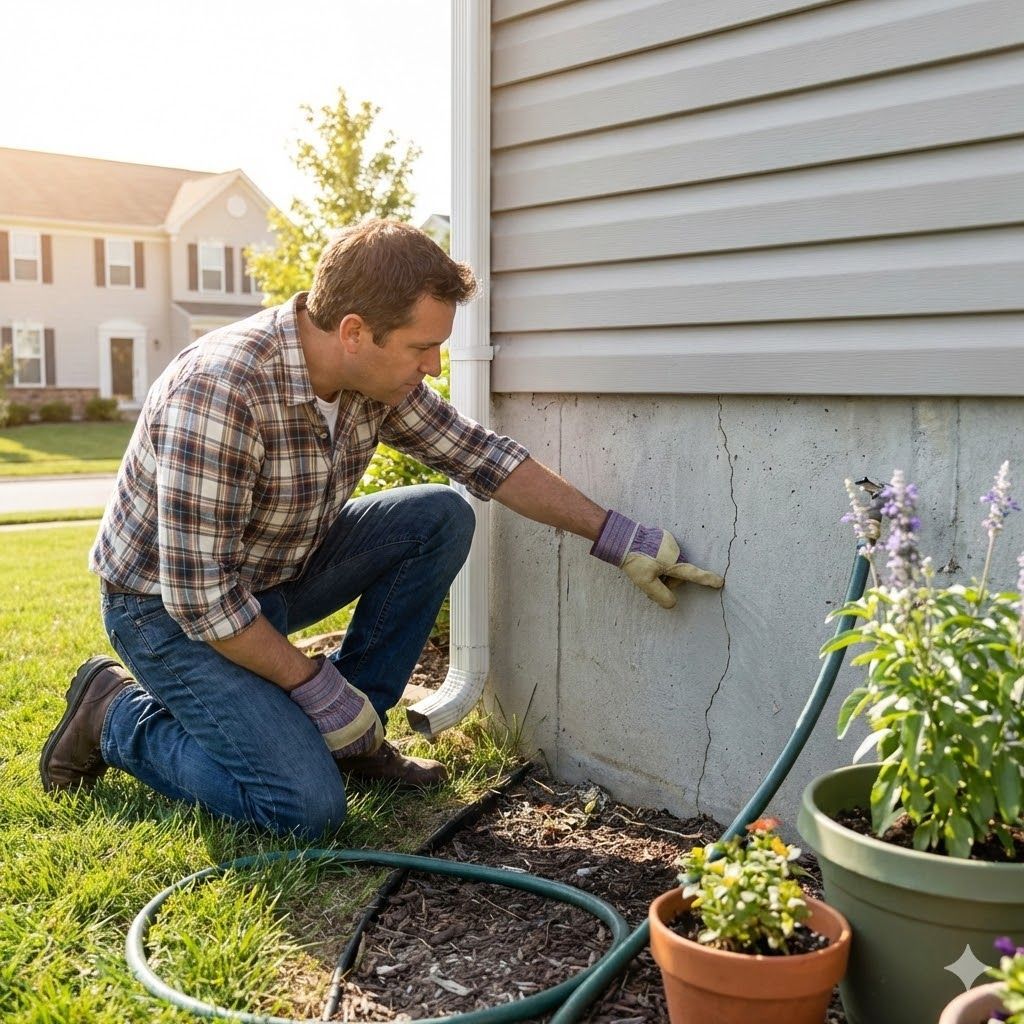
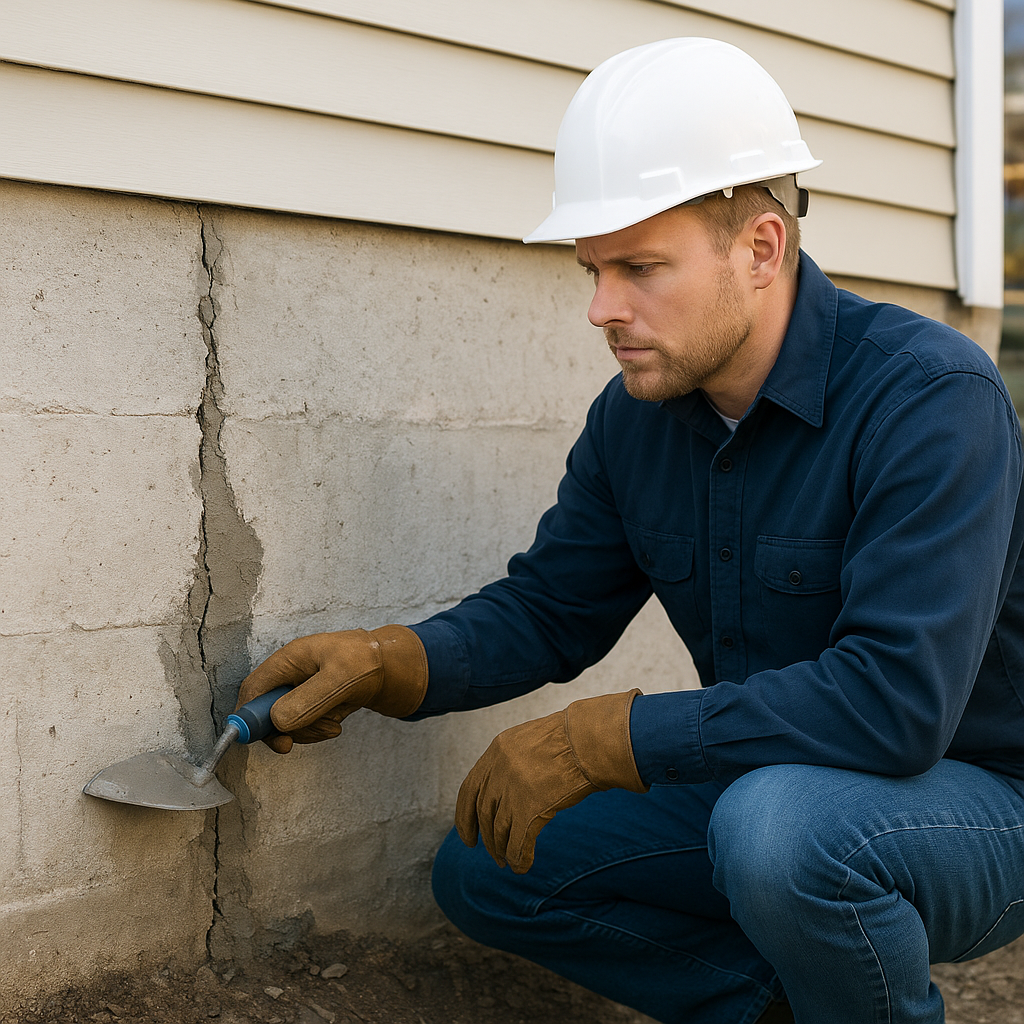
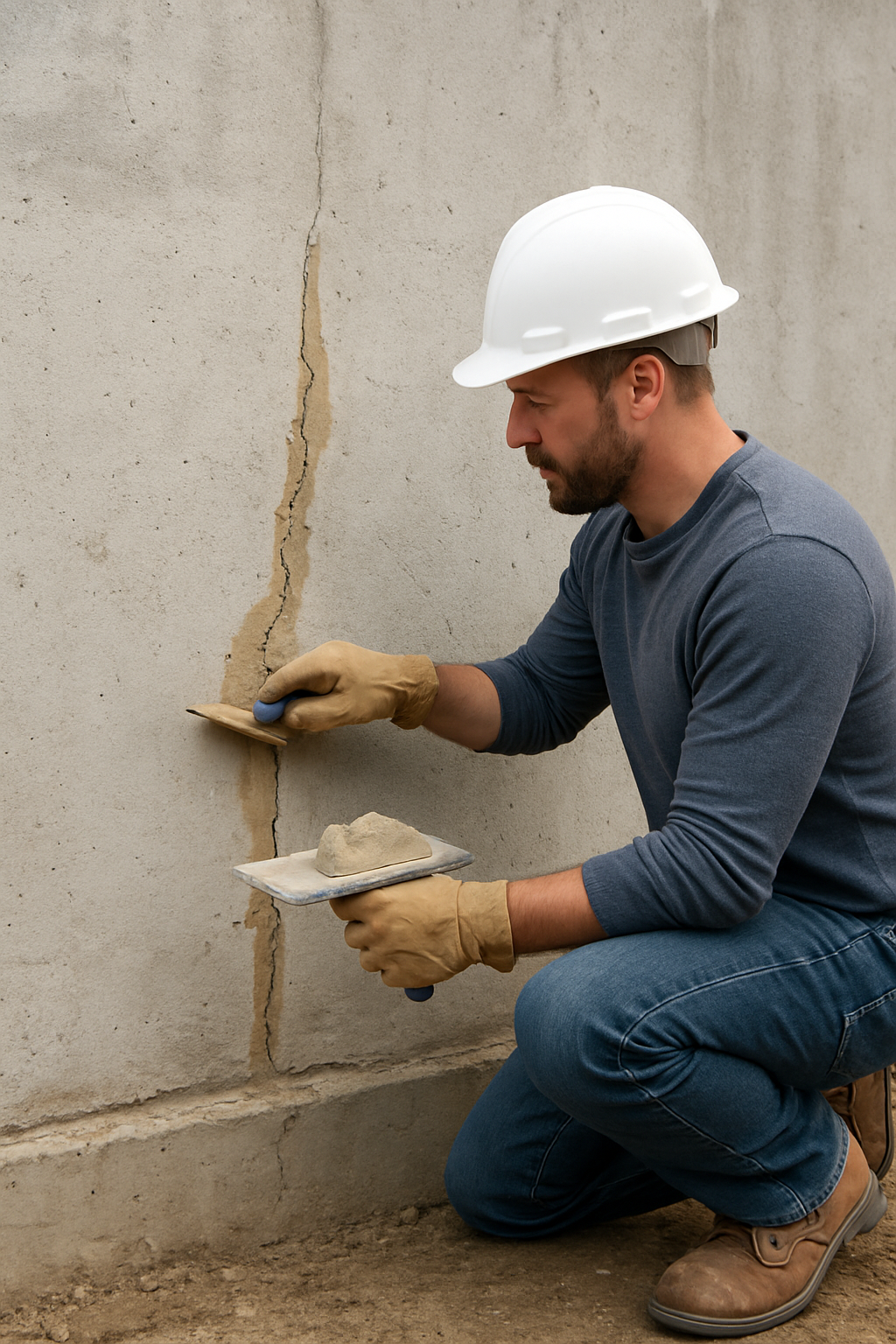
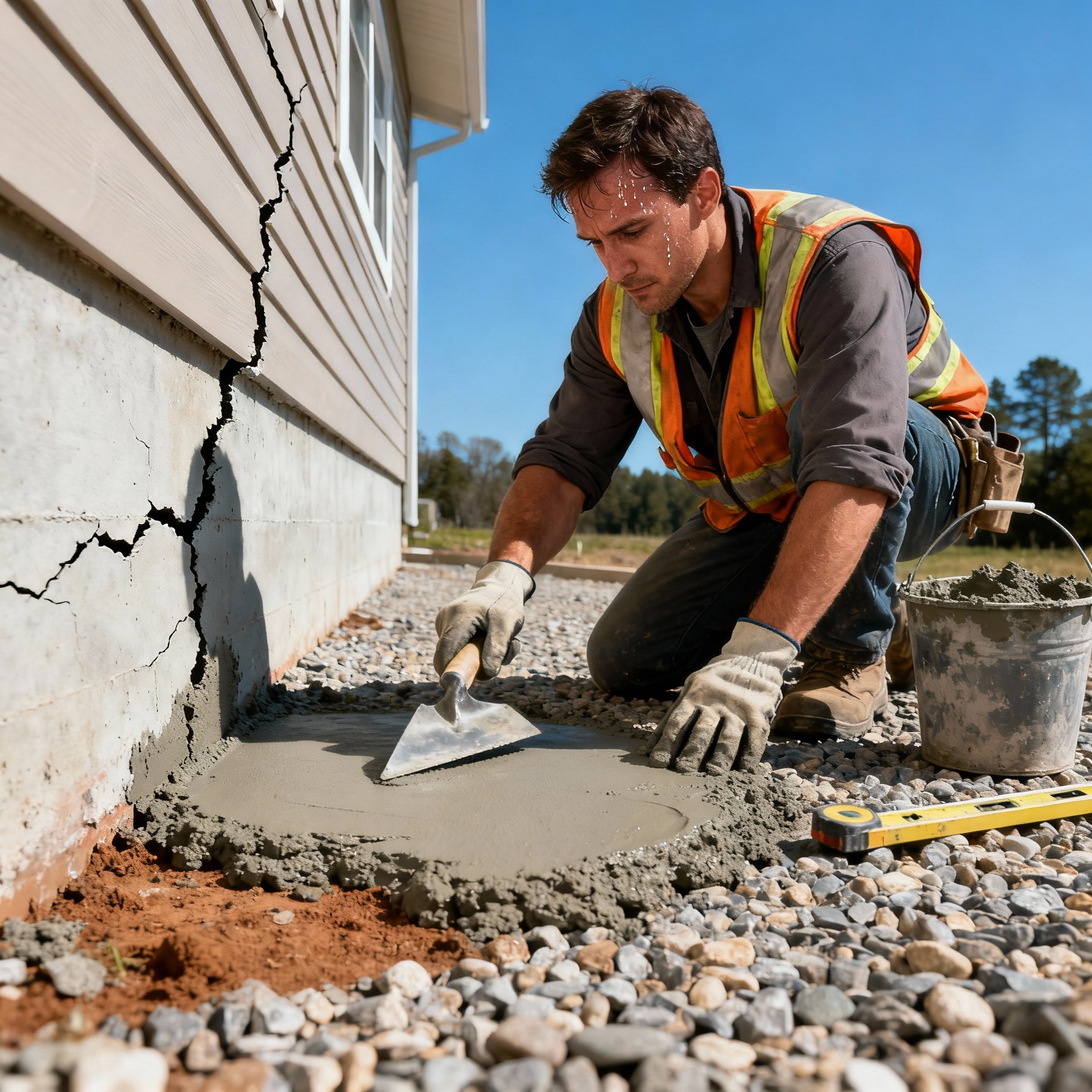
In Youngstown, it's almost always water. If your gutters aren't draining away from the house, the soil gets soft and the foundation shifts. We have a full breakdown on why your concrete foundation keeps cracking for more details.
Can I pour concrete over my old driveway?
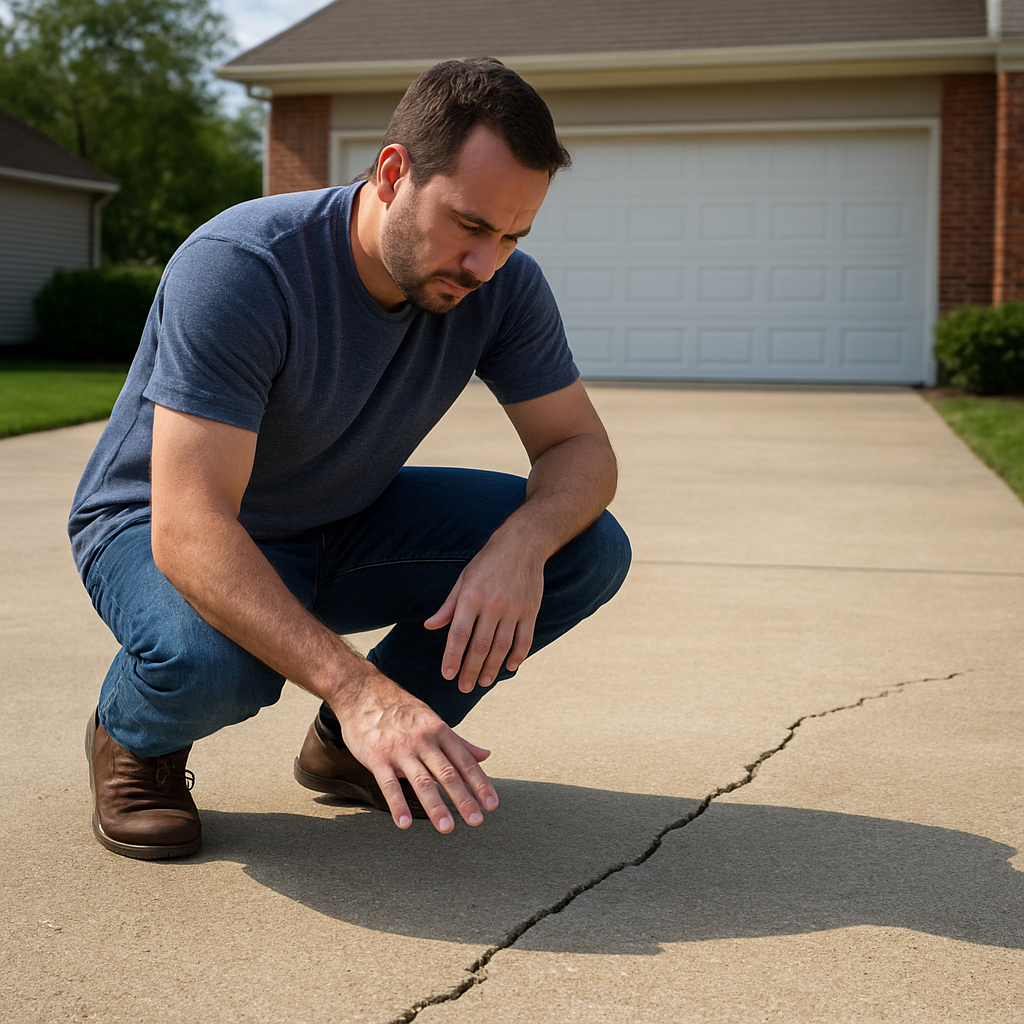
We don't recommend it. It's called a "cap," and it usually cracks within a year because the old driveway underneath is still moving. You are usually better off deciding between driveway repair vs. replace.
How long until I can park my car on a new slab?
Why is my concrete foundation cracking?
In Youngstown, it's almost always water. If your gutters aren't draining away from the house, the soil gets soft and the foundation shifts. We have a full breakdown on why your concrete foundation keeps cracking for more details.
Can I pour concrete over my old driveway?
We don't recommend it. It's called a "cap," and it usually cracks within a year because the old driveway underneath is still moving. You are usually better off deciding between driveway repair vs. replace.
How long until I can park my car on a new slab?
Conclusion: Build It to Last
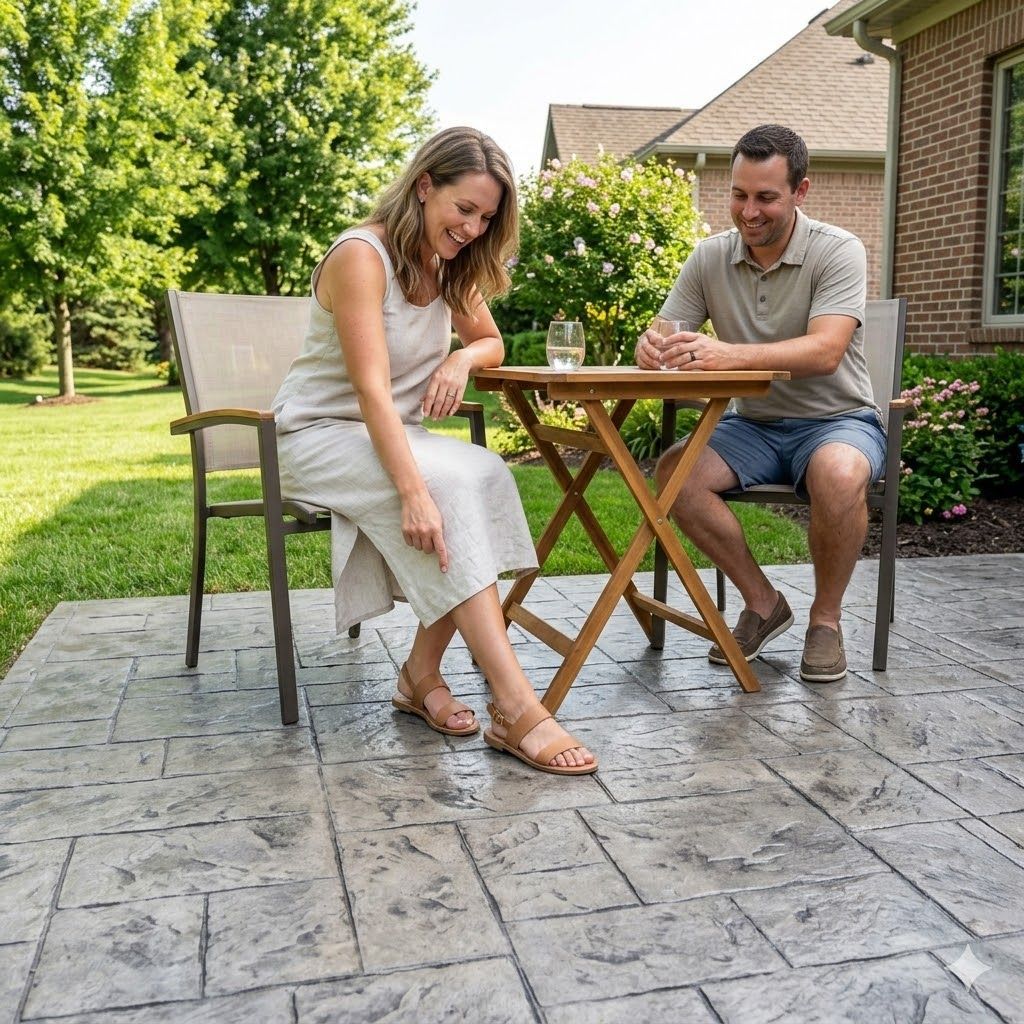
A new concrete pouring project is a huge "level up" for your home. It creates space for summer BBQs, safe places for kids to play, and a clean look that boosts your home's value. But in Youngstown, you can't cut corners.
Focus on the subbase, get the right mix, and don't forget to cure the slab. And most importantly, work with a team that values integrity as much as you do.
Don't let your project become a "ghost story." If you’re ready for a slab that can handle everything an Ohio winter throws at it, we are here to help. From concrete foundation repair to beautiful new walkways, we do it right the first time.
Contact us today for a free estimate and let’s get started on a foundation you can trust!