Concrete Driveway: Repair vs. Replace? Here’s How to Decide
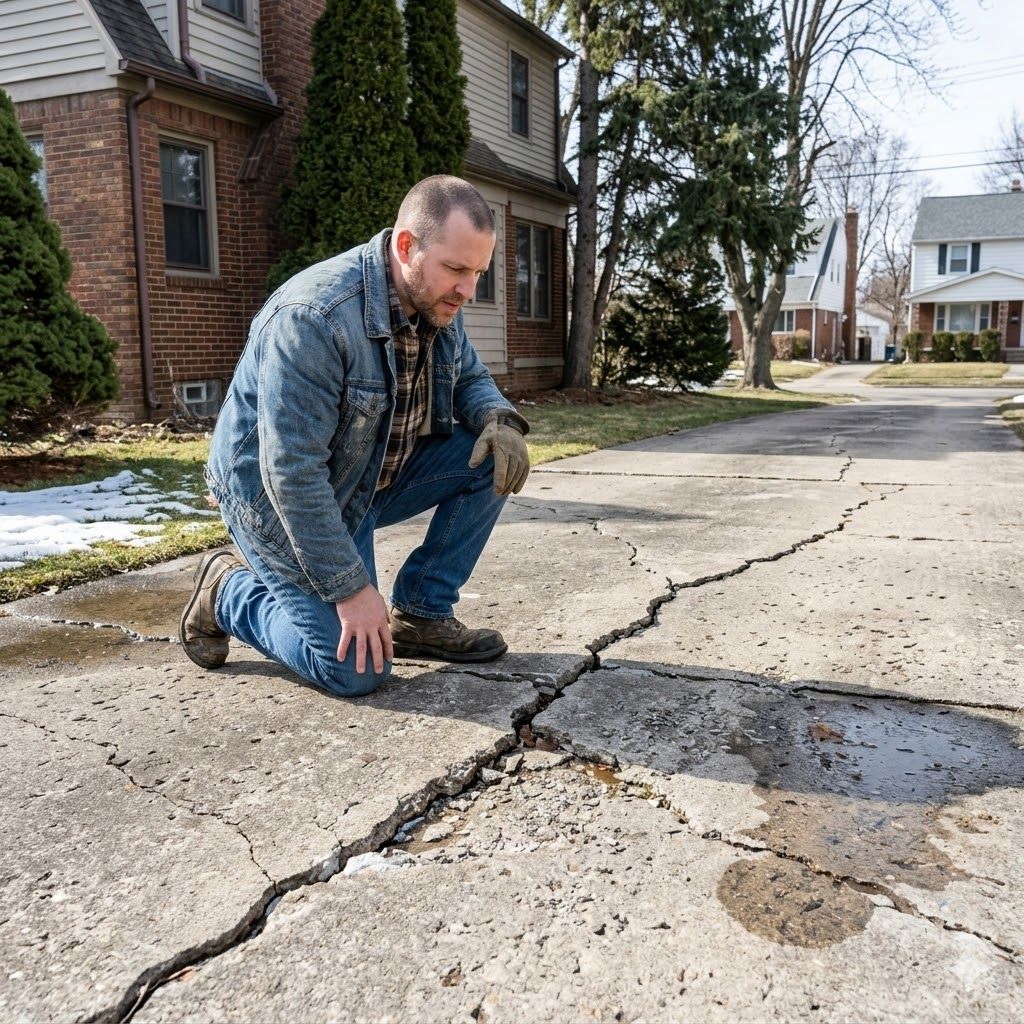
We’ve all been there. You pull into your driveway after a long day of work, the headlights sweep across the ground, and suddenly, you see it: a crack. It starts as a hairline fracture, barely noticeable, but over time, it starts to look like a spiderweb taking over your property. It’s annoying, it’s ugly, and if you’re like most homeowners, it makes you worry about your wallet.
Your
concrete driveway is more than just a place to park your car; it’s the welcome mat to your home. It plays a huge role in your curb appeal and, let’s be honest, your property value. But when things start looking rough, the big question pops up: Can you get away with a quick repair, or do you need to rip it all out and start fresh?
Making the wrong choice can cost you thousands. Repairing a driveway that is too far gone is like putting a band-aid on a broken leg. On the flip side, replacing a driveway that just needed a little TLC is like buying a new car because the old one had a flat tire.
In this guide, we’re going to break down the tell-tale signs for both options, helping you make the smartest decision for your home (and your bank account).
This is paragraph text. Click it or hit the Manage Text button to change the font, color, size, format, and more. To set up site-wide paragraph and title styles, go to Site Theme.
Understanding the Lifespan of a Concrete Driveway
Before we jump into the cracks and crumbles, let’s talk about expectations. Concrete is tough stuff. It’s one of the most durable building materials on the planet. However, nothing lasts forever.
Generally speaking, a well-installed and maintained concrete driveway should last anywhere from 25 to 30 years. If you live in an area with harsh winters (we’re looking at you, Youngstown), that lifespan can be tested by freeze-thaw cycles and road salt.
If your driveway is only 5 or 10 years old and showing signs of wear, you’re likely looking at a repair job. If it was poured when heavy metal bands were topping the charts in the 80s, it might be time to say goodbye.
The Case for Repairing: The "Band-Aid" That Works
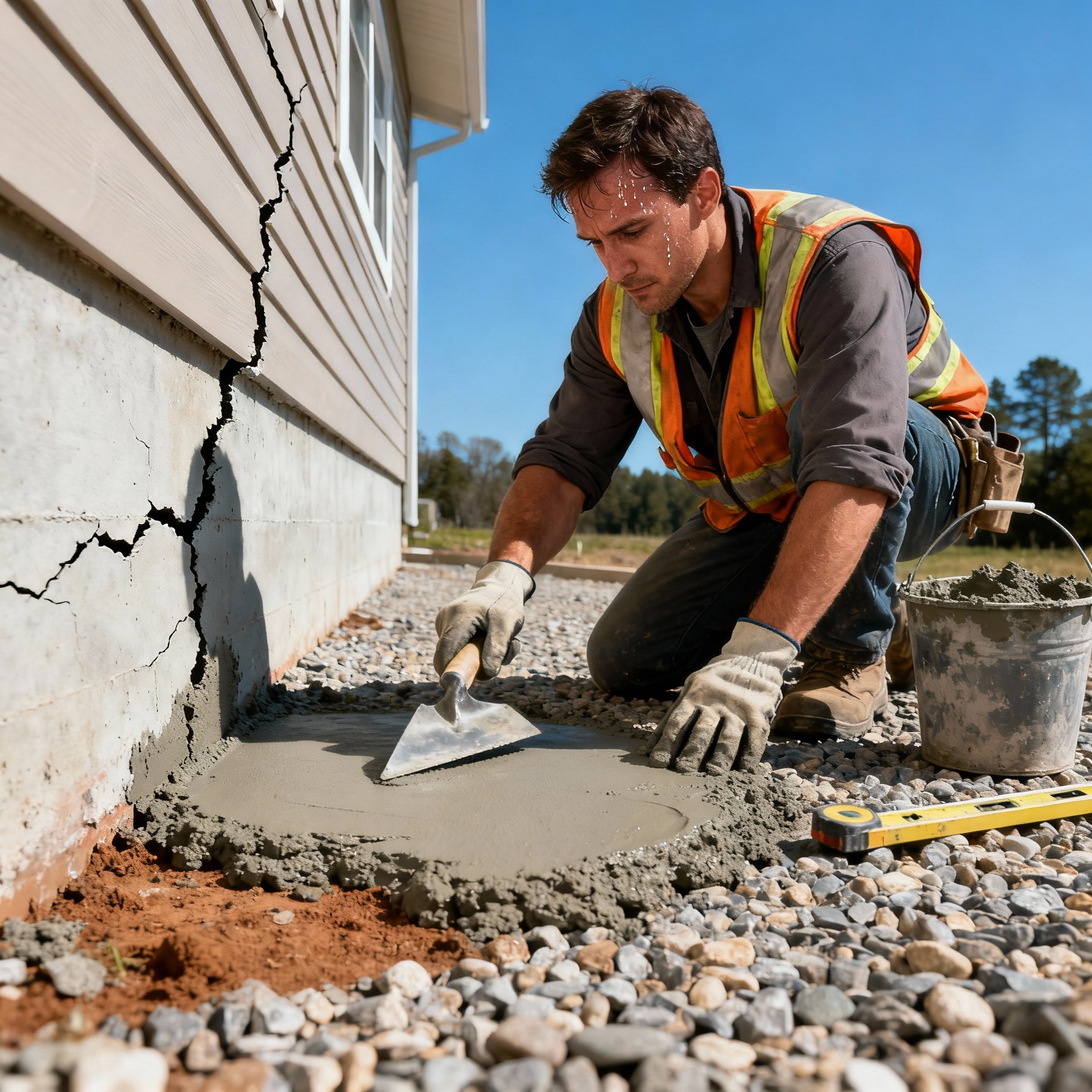
Repairing is obviously the cheaper option, and in many cases, it’s the right one. Modern technology has given us some incredible ways to fix concrete that look great and last a long time.
Here are the green lights that indicate you can probably stick with a repair:
1. The Cracks are Less than a Quarter-Inch Wide
Grab a ruler. If the cracks running through your
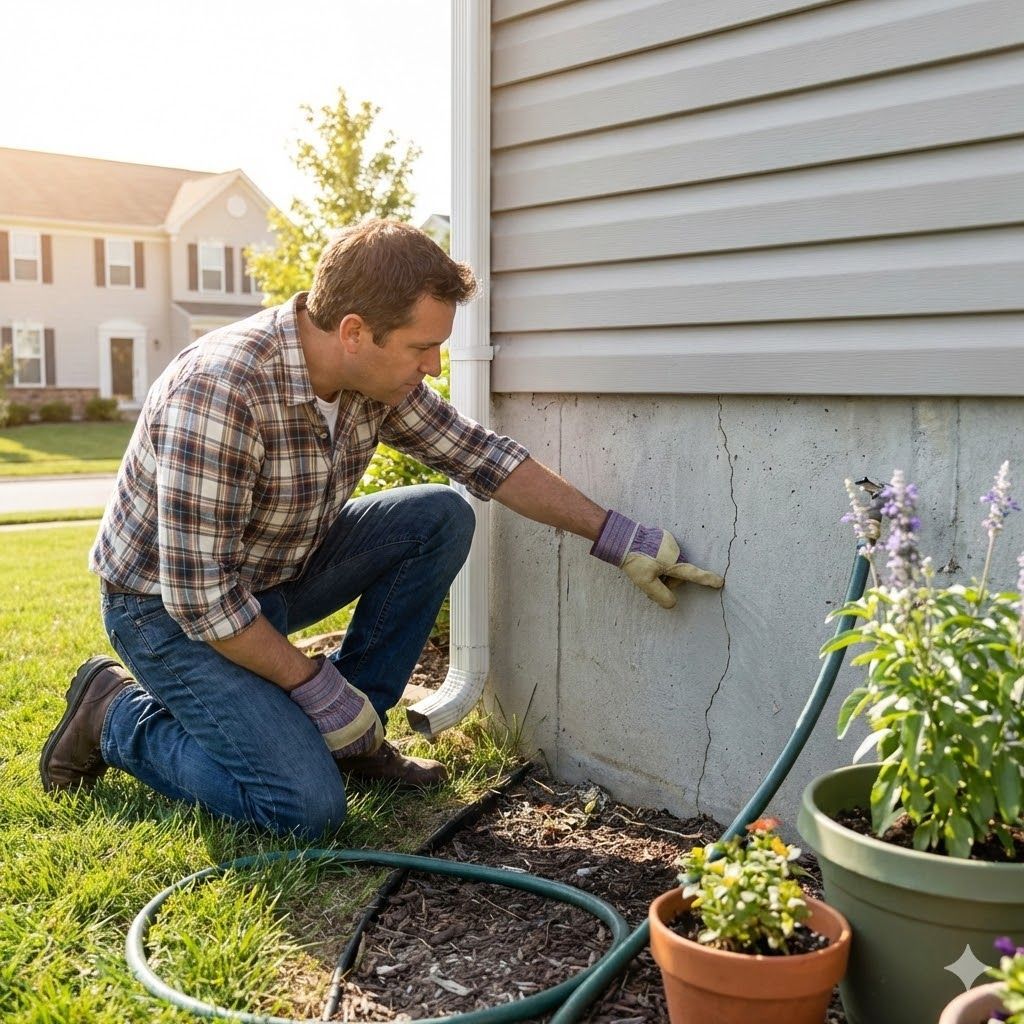
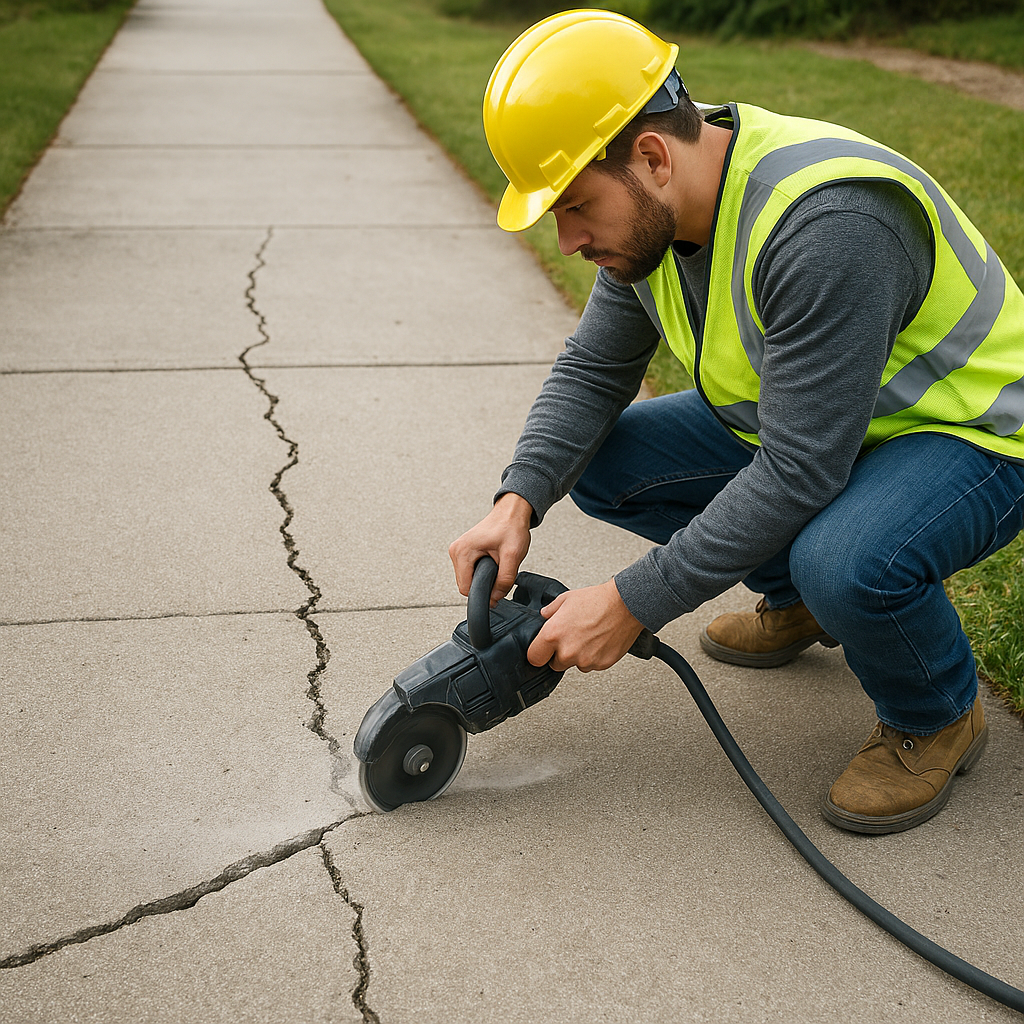
concrete driveway are hairline fractures or generally thinner than a quarter of an inch, you are in the clear. These are usually caused by minor settling or weather changes. A professional can seal these up to prevent water from getting in and making them worse.
2. Surface Flaking (Spalling)
Have you noticed the top layer of your concrete peeling off or looking pitted? This is called spalling. It’s usually cosmetic, often caused by a bad mix when it was poured or heavy use of de-icing salts in the winter. If the structural integrity of the slab is fine, resurfacing can make it look brand new without digging anything up.
3. Sunken Slabs (But Only Slightly)
Sometimes, the soil beneath a driveway settles, causing a slab to sink a specific amount. If the sinking is minor, a process called "slab jacking" (pumping a mixture under the concrete to lift it back up) can save the day.
"Concrete is not just a material; it’s a commitment. Regular maintenance isn't a chore, it's an investment in your home's value." —
James T., Senior Paving Specialist
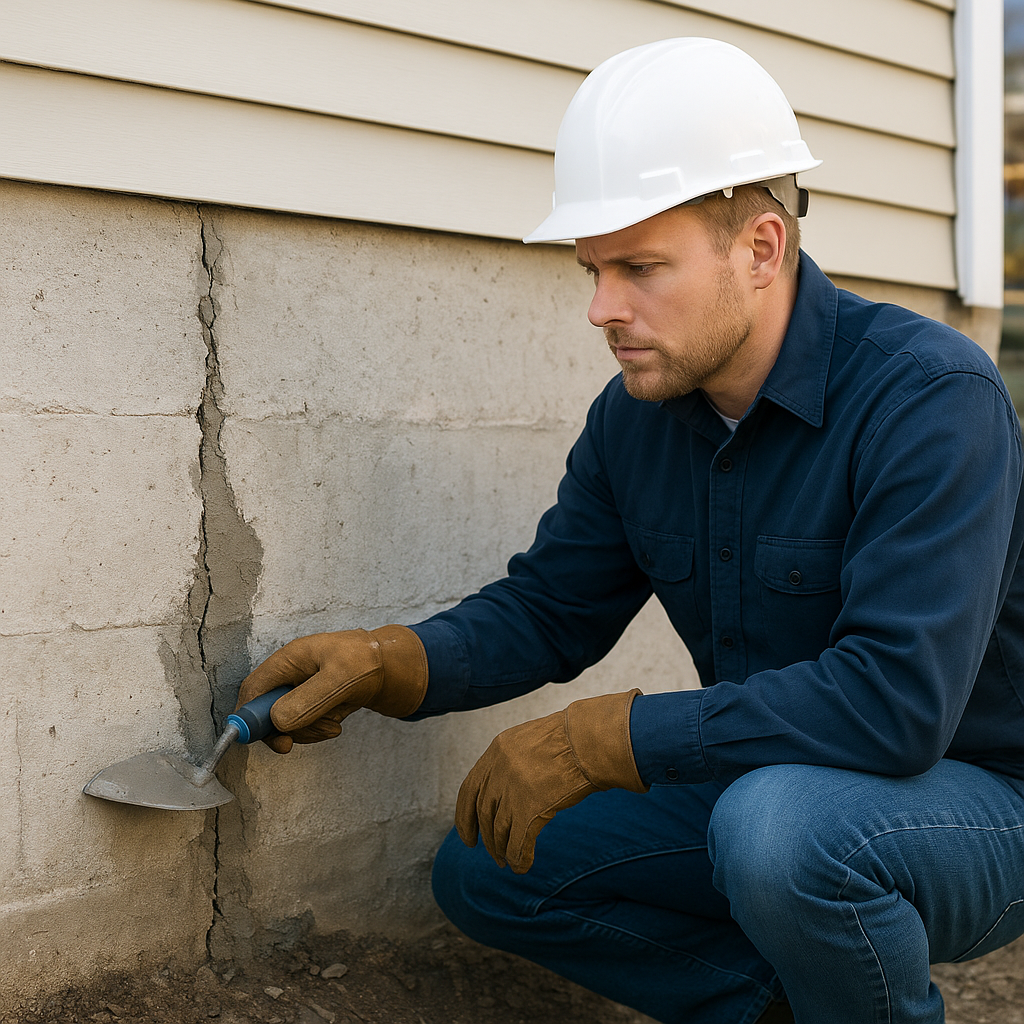
If you are noticing these minor issues, you should reach out for a concrete driveway repair service in Youngstown, OH. Catching these problems early is the key to avoiding a total replacement
The Case for Replacement: When It’s Time to Let Go
ometimes, you have to face the music. No amount of filler or sealant will fix a driveway that has failed structurally. Trying to repair a driveway that needs replacement is just throwing good money after bad.
Here are the red flags that mean you need a new
concrete driveway:
1. The "Alligator" Effect
If your driveway looks like the back of an alligator—interconnected cracks resembling scales—it’s game over. This usually means the subbase (the ground underneath the concrete) has failed. The concrete can no longer support the weight of your vehicles.
2. Deep, Wide Crack
Remember the quarter-inch rule? If you can stick a pen deep into a crack, or if one side of the crack is significantly higher than the other, the slab has shifted dangerously. Water will continue to get in, freeze, expand, and shatter the concrete further.
3. Drainage Issues
Does water pool in the middle of your driveway every time it rains? Or worse, does it drain toward your garage foundation? This is a grading issue. You can’t fix gravity with a patch job. You likely need to rip it out and regrade the land to protect your home’s foundation.
4. It’s Just Too Old
If your driveway is pushing 30 years old and looking tired, patching it is a temporary fix. A new installation gives you a fresh 30-year clock.
If you recognize these signs, it is time to look into a full
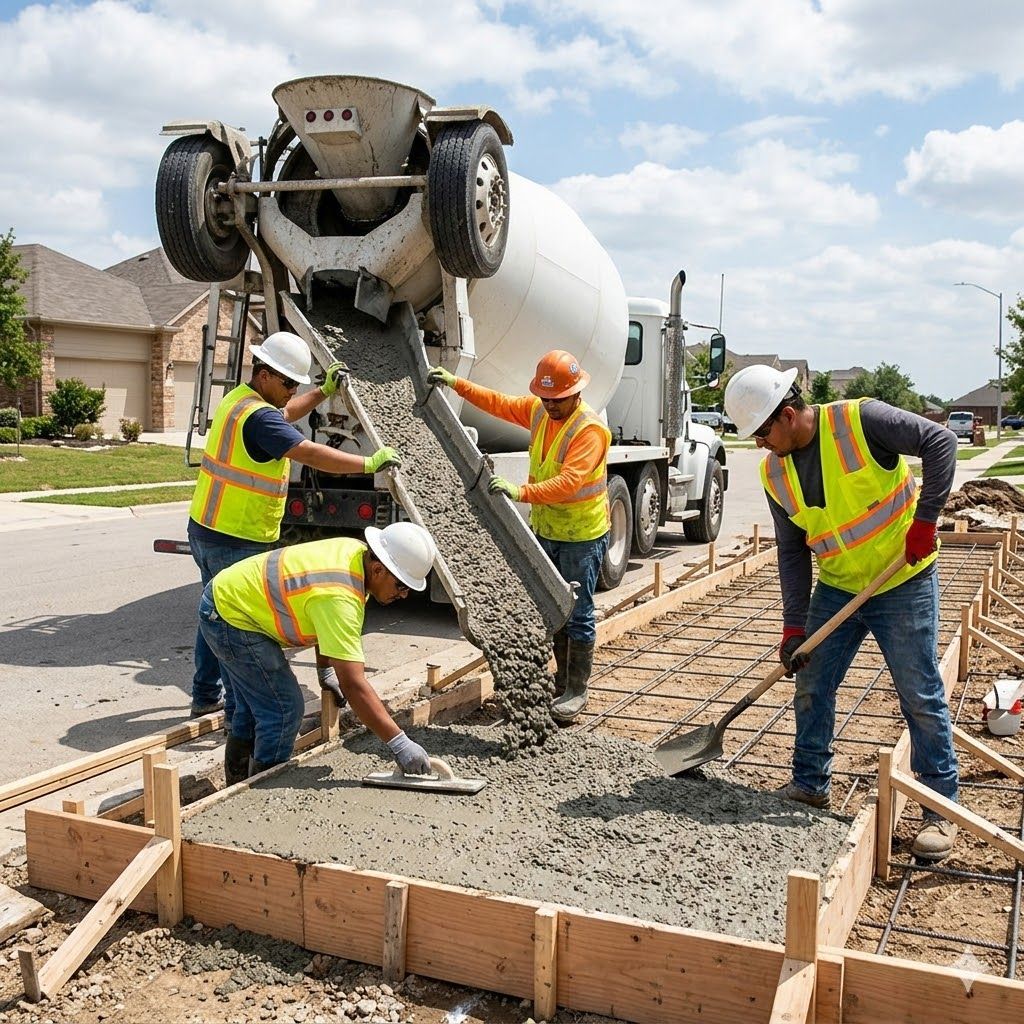
concrete installation service in Youngstown, OH.
The 50% Rule: A Handy Cheat Sheet
Still on the fence? Use the 50% rule.
Get an estimate for the repairs. Then, get an estimate for a brand-new driveway.
If the cost of the repairs is 50% or more of the cost of a replacement, just replace it.
Why? Because repairs, while effective, are rarely invisible and don't last as long as a fresh pour. If you’re already spending half the money, you might as well invest the other half to get decades of worry-free use.
Comparison: Repair vs. Resurface vs. Replace
Sometimes it helps to see the data laid out in front of you. Here is a quick breakdown of your three main options.
Industry Statistics You Should Know
You aren't the only one dealing with this. Concrete is the most used man-made material in the world, and driveways make up a huge chunk of that.
- According to general construction data, a new concrete driveway can increase a home’s resale value by up to 10% simply by improving curb appeal.
- Studies show that improper drainage (which requires replacement to fix) is the #1 cause of residential foundation damage in the United States.
It’s not just about a smooth ride for your car; it’s about protecting your biggest asset—your home.
If You Replace: Upgrade Your Style!
If you decide that replacement is the only way to go, don't look at it as a bad thing. It's an opportunity! You aren't stuck with just plain gray slabs anymore.
This is the perfect time to consider
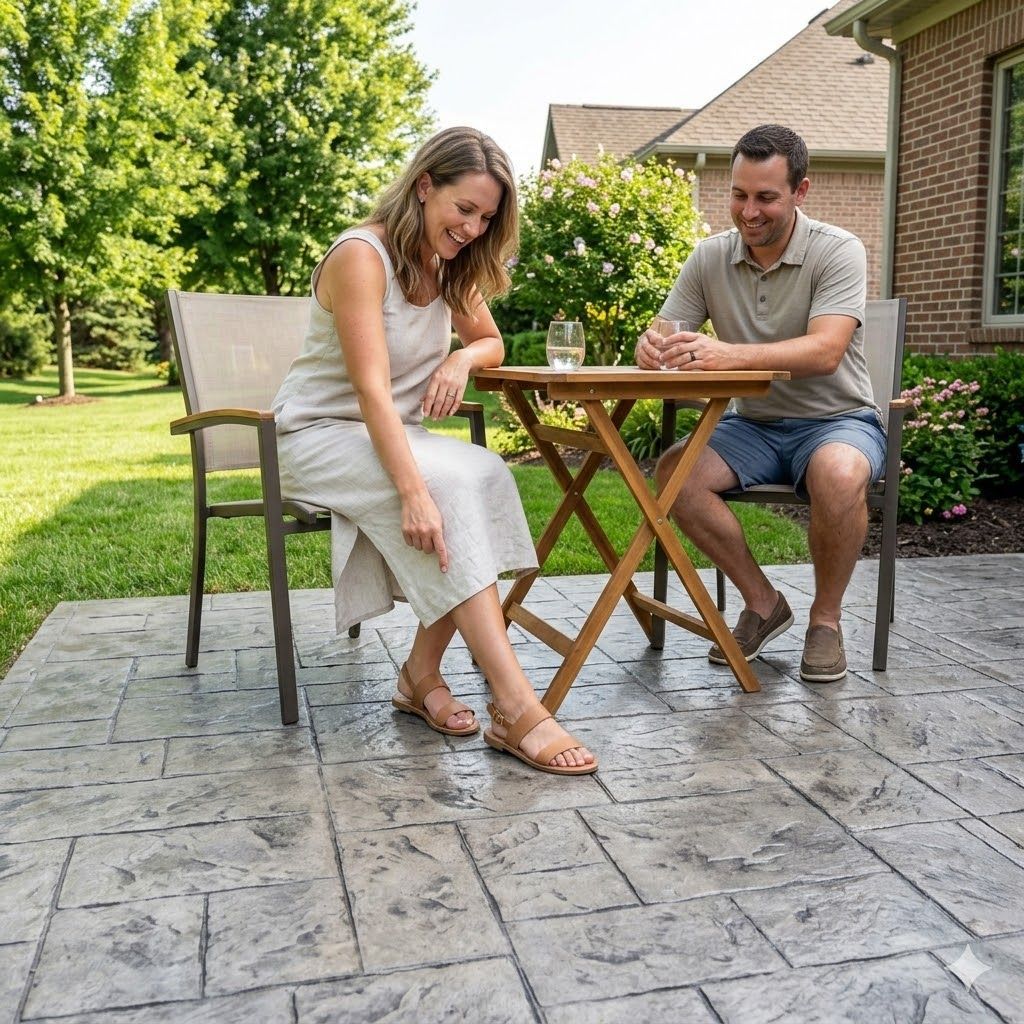
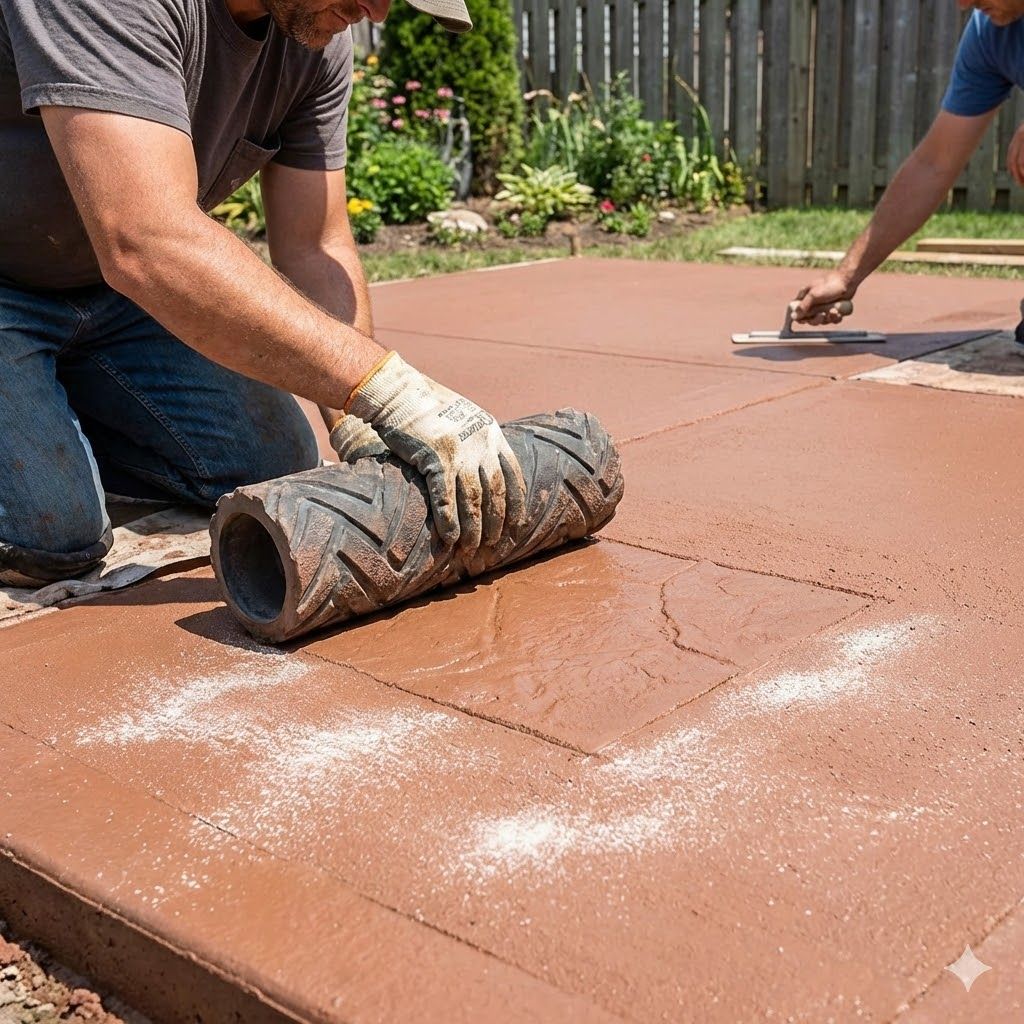
stamped concrete service in Youngstown, OH. Stamped concrete can mimic the look of brick, slate, stone, or even wood. It adds a massive "wow" factor to your home. If you are going to go through the trouble of pouring new concrete, you might as well make it the envy of the neighborhood.
Winter is the Enemy
Since we are talking about longevity, we have to mention the weather. In our area, winter can be brutal on concrete. The freeze-thaw cycle is when water gets into the pores of the concrete, freezes, expands, and causes cracks.
If you notice cracks in the fall, you
must fix them before the snow flies. If you leave a crack open during a Youngstown winter, it will be twice as big by spring.
For more on how the seasons affect your paving, check out our guide:
Is Your Y-Town Driveway Ready for Winter?.
Frequently Asked Questions (FAQ)
Q: Can I just pour new concrete over my old driveway?
A: generally, no. This usually raises the grade too high (causing water issues) and any cracks in the old slab will eventually "reflect" up through the new layer. It’s better to remove the old slab or use a specific resurfacing product, not standard concrete.
Q: How long do I have to wait to drive on a new concrete driveway?
A: Patience is a virtue! You can usually walk on it after 24-48 hours, but you should wait at least 7 days before driving a standard passenger vehicle on it.
Q: Is DIY repair a good idea?
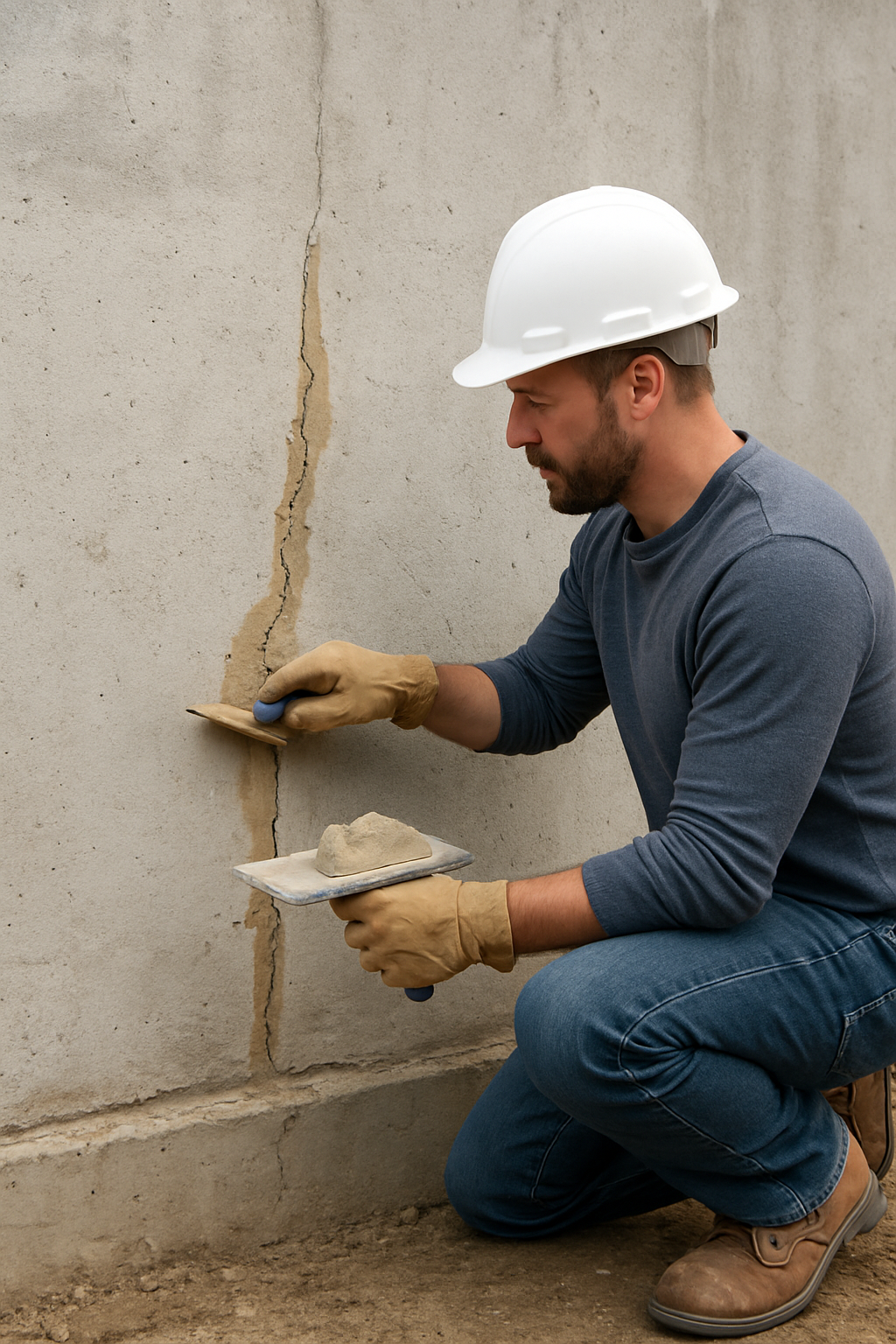
A: For tiny hairline cracks, a bottle of filler from the hardware store is fine. But for structural issues, leveling, or resurfacing, DIY often ends up looking messy and failing quickly. It’s usually cheaper in the long run to hire a pro.
Q: Does salt really ruin concrete?
A: Yes. De-icing chemicals attack the chemical bonds in the concrete paste. For the first winter after a new pour, use sand instead of salt to provide traction.
Final Thoughts
Your
concrete driveway works hard for you. It holds up your cars, withstands the scorching sun and the freezing snow, and welcomes your guests. Whether you choose to repair that annoying crack or rip it out for a fresh start, addressing the issue now is always better than waiting.
Ignoring driveway damage leads to bigger potholes and bigger bills.
If you are in the Youngstown area and aren't sure which path to take, don't guess. Let the experts take a look.
Ready to boost your curb appeal? whether you need a quick repair or a stunning new installation, we’ve got you covered.
Contact Precision Paving Youngstown Today and let’s get your driveway back on solid ground!