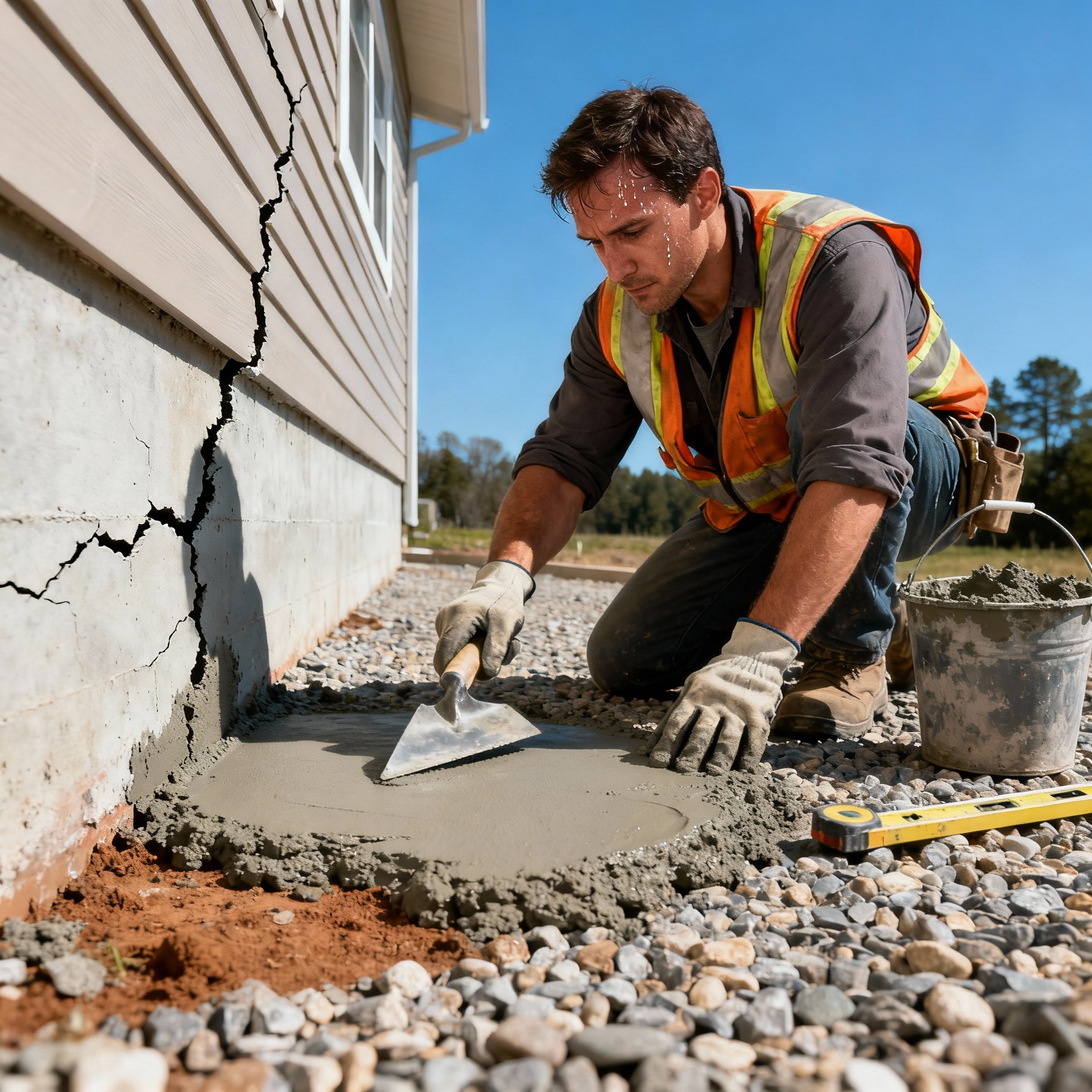
Why Your Concrete Foundation Keeps Cracking (And What to Do)
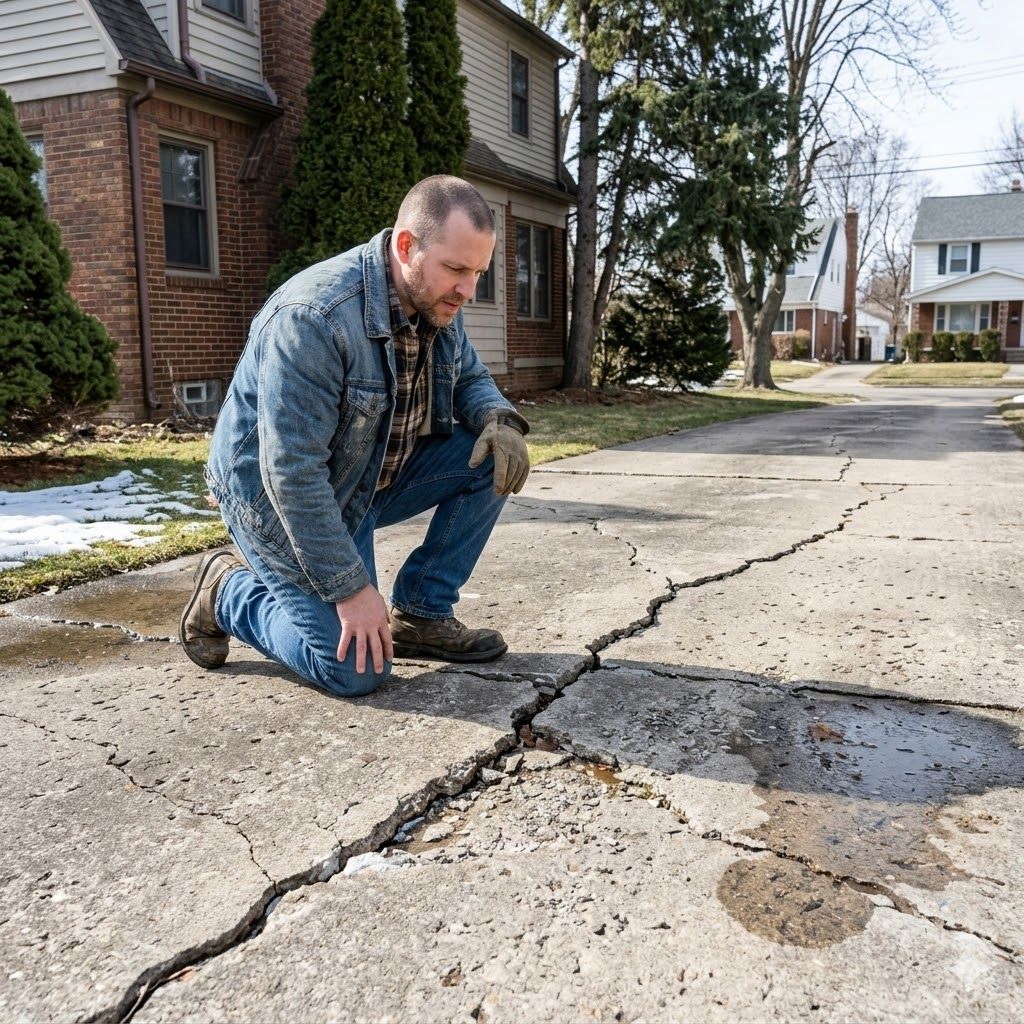
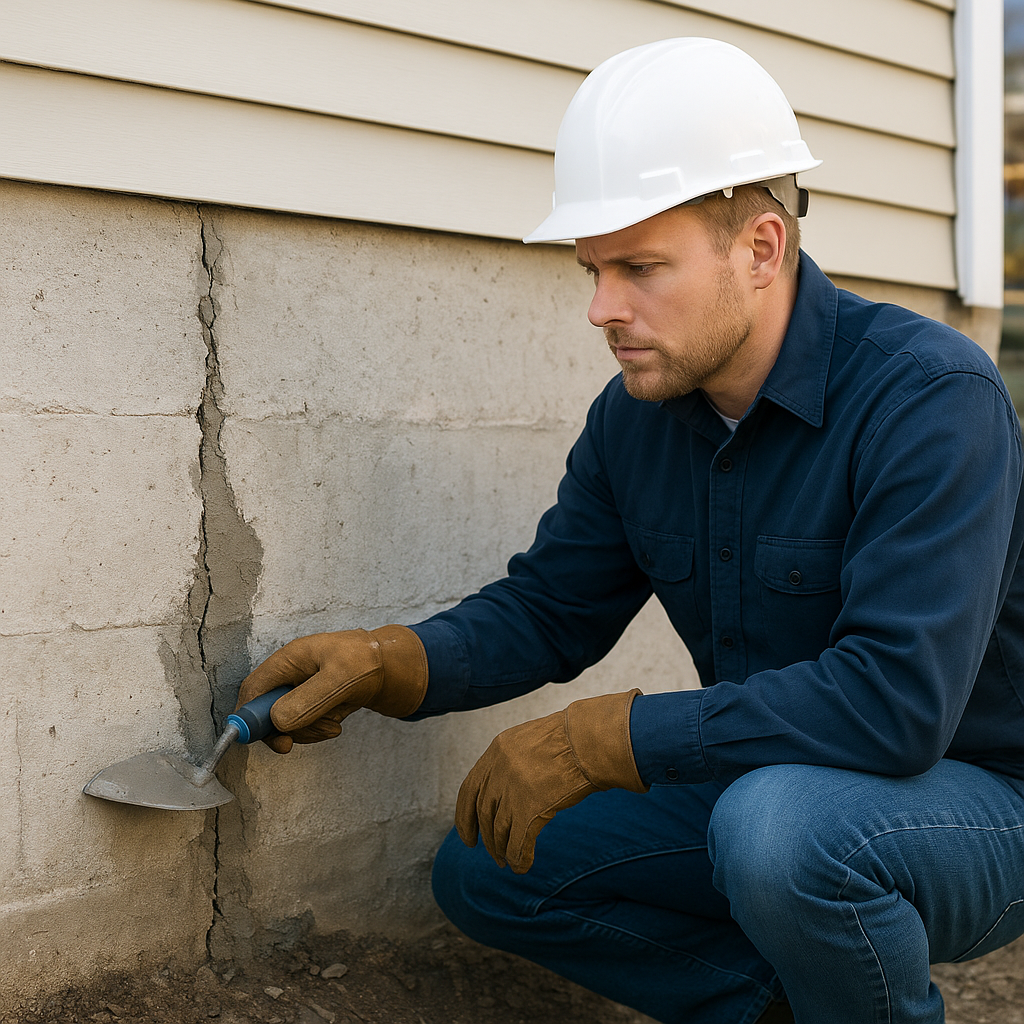
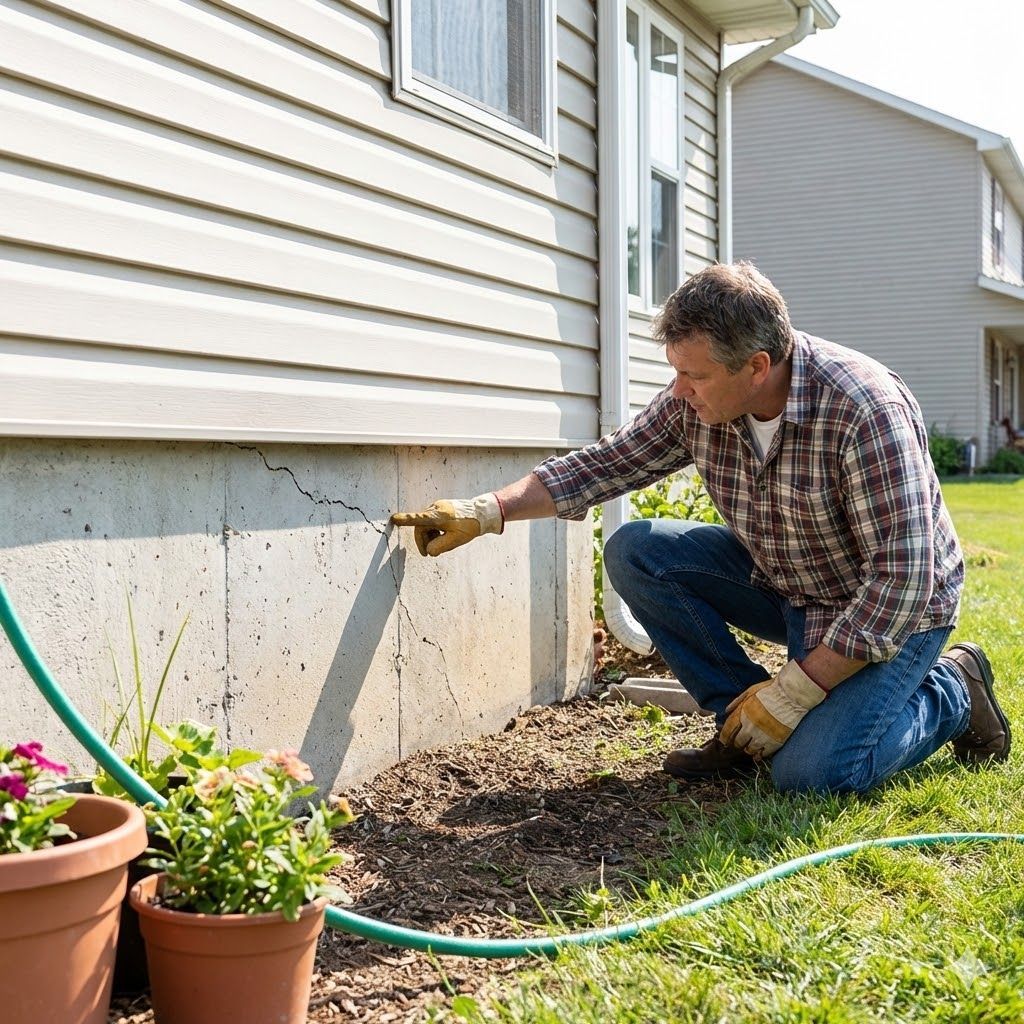
If you’re a homeowner in Youngstown, Ohio, you’ve probably spent a Saturday morning in your basement or walking around your home’s exterior and noticed it: a thin, jagged line running through your concrete foundation.
Your heart probably sank a little bit. You start wondering, "Is my house falling down?" or "How much is this going to cost me?"
First off, take a deep breath. Seeing a crack in your concrete foundation doesn't always mean your home is in immediate danger. In fact, almost every home will develop some type of crack over time. However, knowing the difference between a "settling crack" and a "structural disaster" is the key to keeping your home safe for a long time.
In this guide, we are going to dive into the science of why your foundation is acting up and what steps you can take today to make sure it lasts for the next fifty years.
1. The Reality of the Concrete Foundation
Before we get into the "scary" stuff, let’s talk about what a concrete foundation actually is. It’s essentially a massive, heavy rock that your house sits on. While we think of concrete as being invincible, it’s actually a material that is constantly reacting to the world around it. It shrinks, it expands, and it breathes.
Because concrete is so rigid, it doesn't like to "bend." When the earth underneath it moves or the temperature changes, the concrete has to release that pressure somehow. That "release" usually shows up as a crack. Understanding when to call foundation crack repair specialists in Youngstown starts with knowing why that pressure is happening in the first place
2. The "Why": Top Reasons Foundations Crack
Reason A: Drying Shrinkage
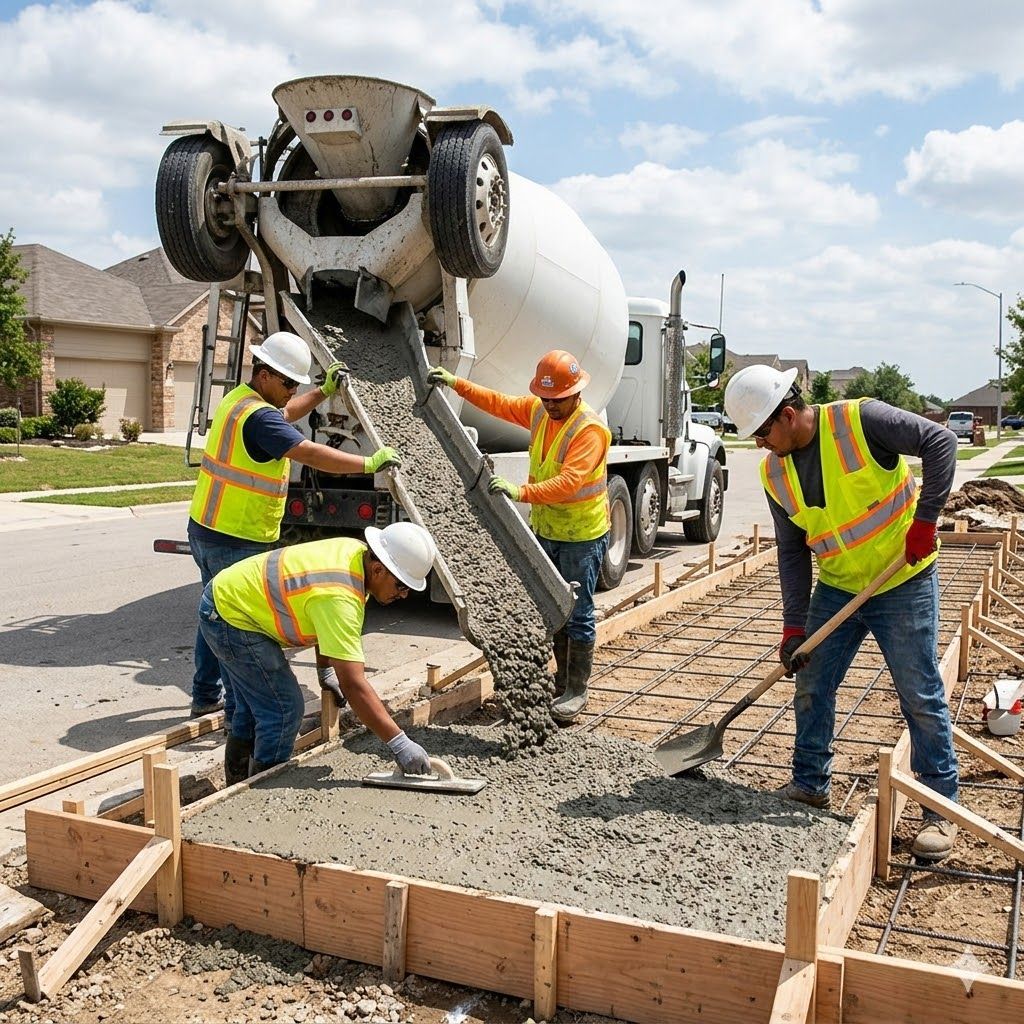
This happens most often in newer homes. When we perform a concrete pouring service, the mix contains water. As the concrete dries (cures), it loses that water and shrinks slightly. If it shrinks too fast, small "hairline" cracks appear. These are usually not structural, but they should still be sealed to keep moisture out.
Reason B: The "Youngstown Winter" (Freeze-Thaw)
Living in Ohio means we deal with some of the toughest weather in the country for a concrete foundation. When water gets into the soil around your home, it freezes and expands. This puts "hydrostatic pressure" against your foundation walls.
If your home doesn't have proper drainage, that ice can push with enough force to bow your walls or cause horizontal cracks. We talk about this a lot in our guide on navigating Youngstown winters.
Reason C: Settlement and Soil Shifting
The ground under your house isn't as solid as you think. In Youngstown, we have a lot of clay in our soil. Clay is like a sponge—it expands when it's wet and shrinks when it's dry. When the soil shrinks, it leaves a "void" or an empty space under your concrete foundation. Your house is heavy, so it sinks into that void. This is called "settlement," and it leads to those classic stair-step cracks in brickwork or foundation blocks.
"A house is only as strong as the ground it stands on and the foundation it sits upon." —
Local Structural Consultant
3. The Different Types of Cracks
look at the direction of the crack in your concrete foundation.
Vertical Cracks
These are the most common. They run straight up and down or slightly diagonal. Usually, these are caused by the house "settling" into the ground. While they can let in water and pests, they usually aren't an immediate threat to the house's structure.
Horizontal Cracks
This is the red flag. If you see a crack running horizontally (side to side) along your foundation wall, it usually means the soil outside is pushing too hard against the house. This is a sign that the wall might be starting to fail. If you see this, you need to look into concrete foundation repair services immediately.
Stair-Step Cracks
These look like a set of stairs and usually follow the mortar lines in a block foundation. This is a classic sign of "uneven settlement," where one corner of the house is sinking faster than the rest.
4. How to Prevent Foundation Issues
The best way to fix a concrete foundation is to make sure it never breaks in the first place. Here are four things every Youngstown homeowner should do:
- Check Your Gutters: Make sure your downspouts are carrying water at least 5 to 10 feet away from your house. If water pools next to your foundation, you're asking for trouble.
- Grade the Soil: The ground around your house should slope away from the foundation. If the ground is flat or slopes toward the house, water will sit against the concrete.
- Watch Your Landscaping: Those beautiful trees look great, but their roots are looking for water. If they grow too close to your foundation, they can suck all the moisture out of the soil, causing it to shrink and crack your walls.
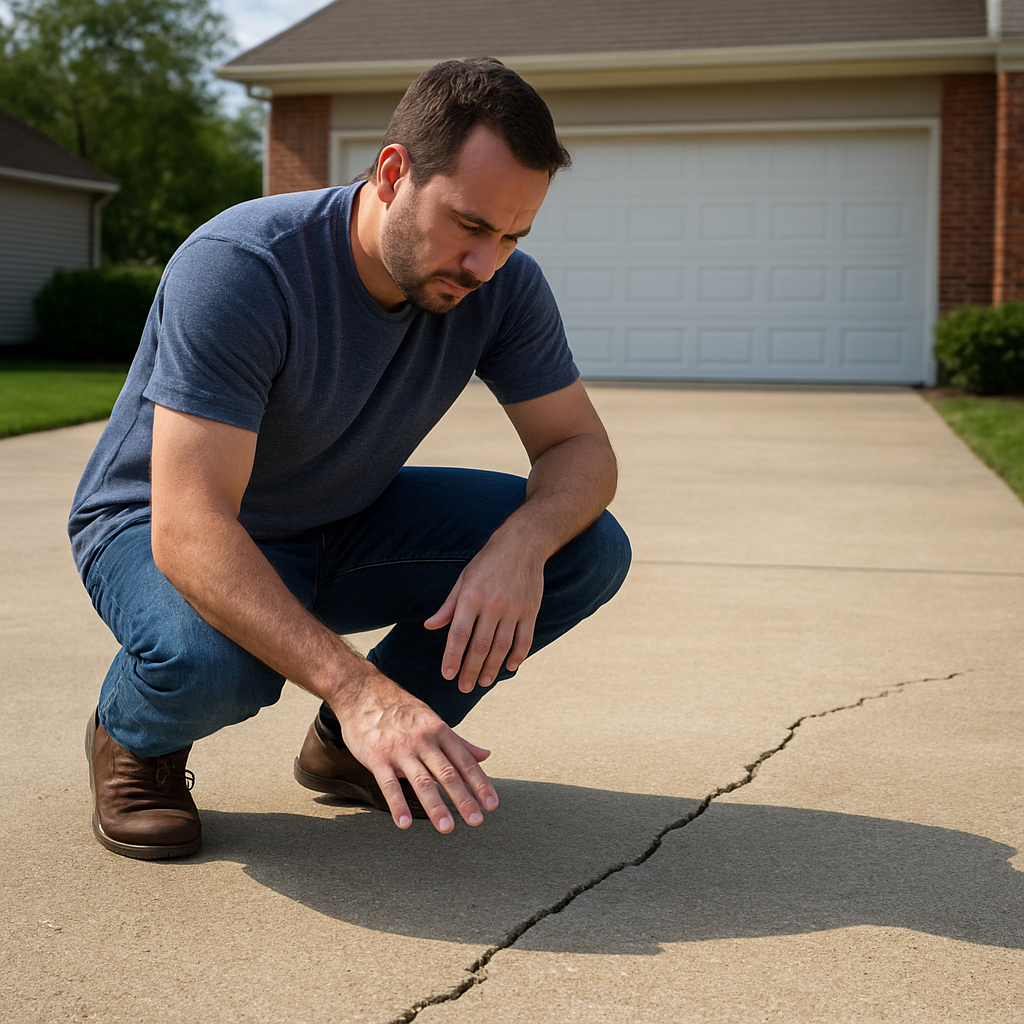
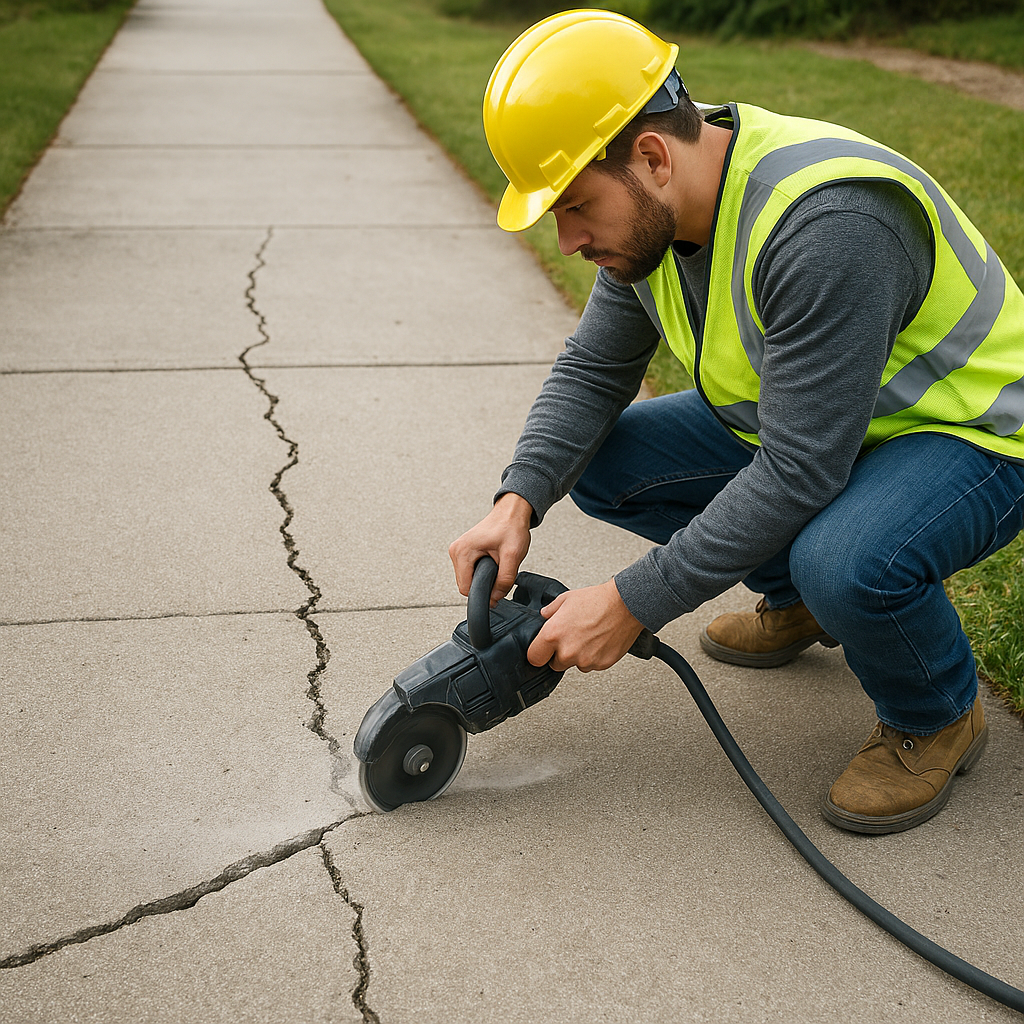
- Maintain Your Concrete Surfaces: Believe it or not, a cracked driveway can lead to foundation issues. If water runs into a crack in your driveway next to your house, it goes straight to your foundation. Keeping up with your concrete driveway repair is actually a form of foundation protection!
5. Professional Solutions: What to Do
If the crack is wider than a nickel or is horizontal, it’s time to call in the foundation crack repair specialists.
There are a few ways we fix these issues:
- Epoxy Injection: We inject a high-strength resin into the crack. It seals the crack from the inside out and is actually stronger than the concrete itself. You can learn more about concrete vs. epoxy solutions here.
- Carbon Fiber Straps: For walls that are starting to bow or lean, we can install carbon fiber straps. These are incredibly thin but have a tensile strength that keeps the wall from moving ever again.
- Helical Piers: If the house is sinking, we have to "pin" it to the bedrock. This is the most expensive fix, but it's the only way to truly stop a house from sinking.
A Note on Finding the Right Contractor
This is a high-stakes job. You don't want someone who is going to give you a quote and then "ghost" you when you have questions. When choosing the best foundation crack repair specialists near you, ask them about their warranty and their communication process. A good contractor knows that foundation work is about building peace of mind, not just filling a hole.
Interesting Statistic
According to the American Society of Civil Engineers (ASCE), more than 25% of all homes in the United States will experience some form of structural distress during their lifetime. In areas like Ohio with heavy clay and snow, that number can be even higher. This is why being proactive is so much cheaper than being reactive.
FAQ: Concrete Foundation Common Questions
Can I fix foundation cracks myself?
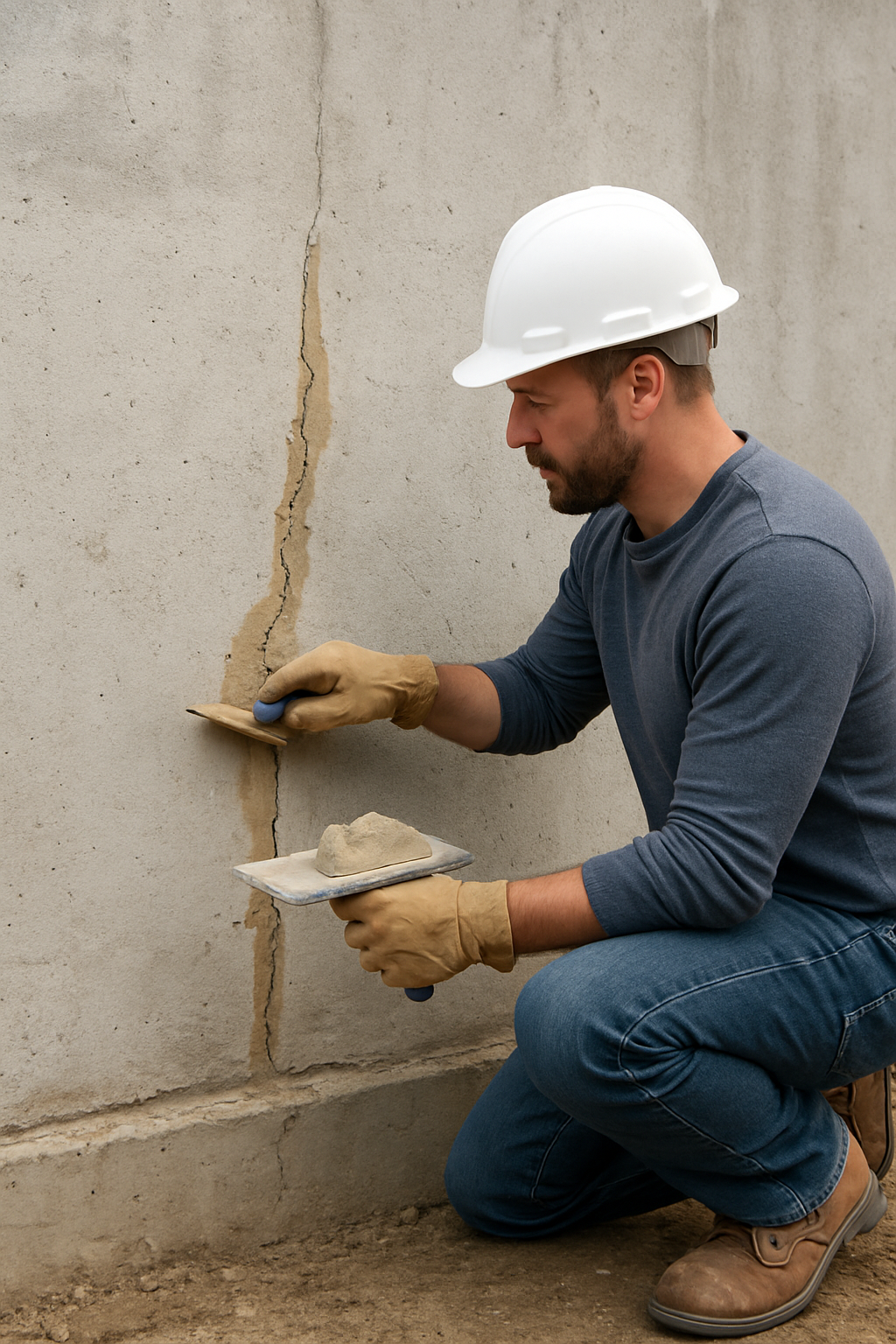
For very small hairline cracks, you can use a high-quality sealant from a hardware store. But for anything structural, DIY is dangerous. If you don't address the cause of the crack, the patch will just pop off in a few months. Read the ultimate guide to DIY vs. Professional repair for more info.
Does homeowners insurance cover foundation repair?
Usually, no. Standard insurance doesn't cover "earth movement" or "settlement." However, if the crack was caused by a sudden event (like a pipe bursting), you might be covered. Always check your policy!
Is my home value affected by a foundation crack?
If you fix the crack and provide a warranty from a reputable company, it can actually
help your value because it shows the home is stable. If you leave it unfixed, it can be a deal-breaker for buyers.
Conclusion: Protect Your Foundation, Protect Your Future
our concrete foundation is the heart of your home. It’s the platform where your family grows and where your memories are made. Seeing a crack can be stressful, but now you have the tools to handle it.
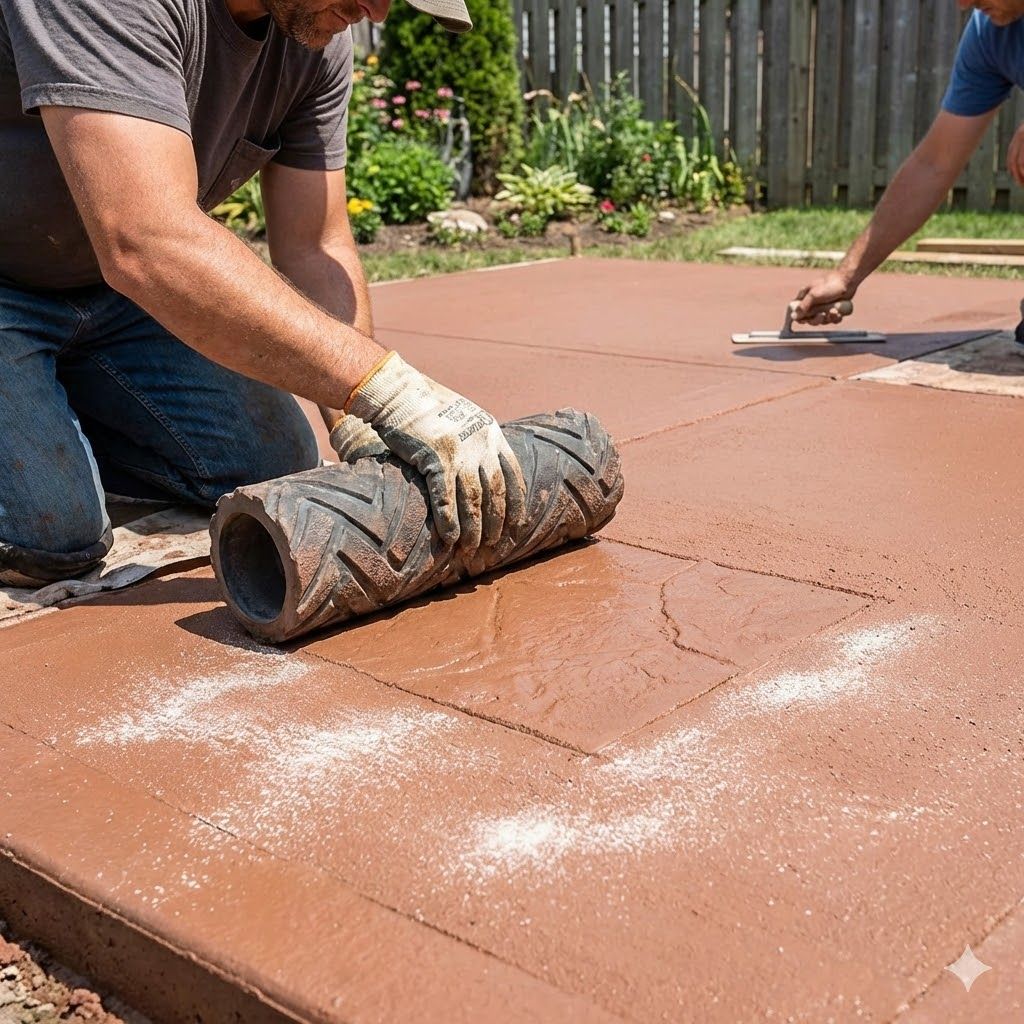
Whether you’re dealing with a simple crack or you’re ready to upgrade your curb appeal with stamped concrete in Ohio, the team at Precision Paving Youngstown is here to help. We believe in doing things right the first time so you never have to worry about your "foundation" again.
Don't wait for the next big storm.
Contact us today for a free inspection. Let's make sure your home stays solid for generations to come!