Stamped Concrete 101: Everything You Need to Know for Your Next Home Project
Let’s be honest: when you picture a concrete patio or driveway, your mind probably goes straight to a big, flat, gray slab. It’s functional, sure, but it’s not exactly the kind of thing that makes you want to invite the whole neighborhood over for a BBQ.
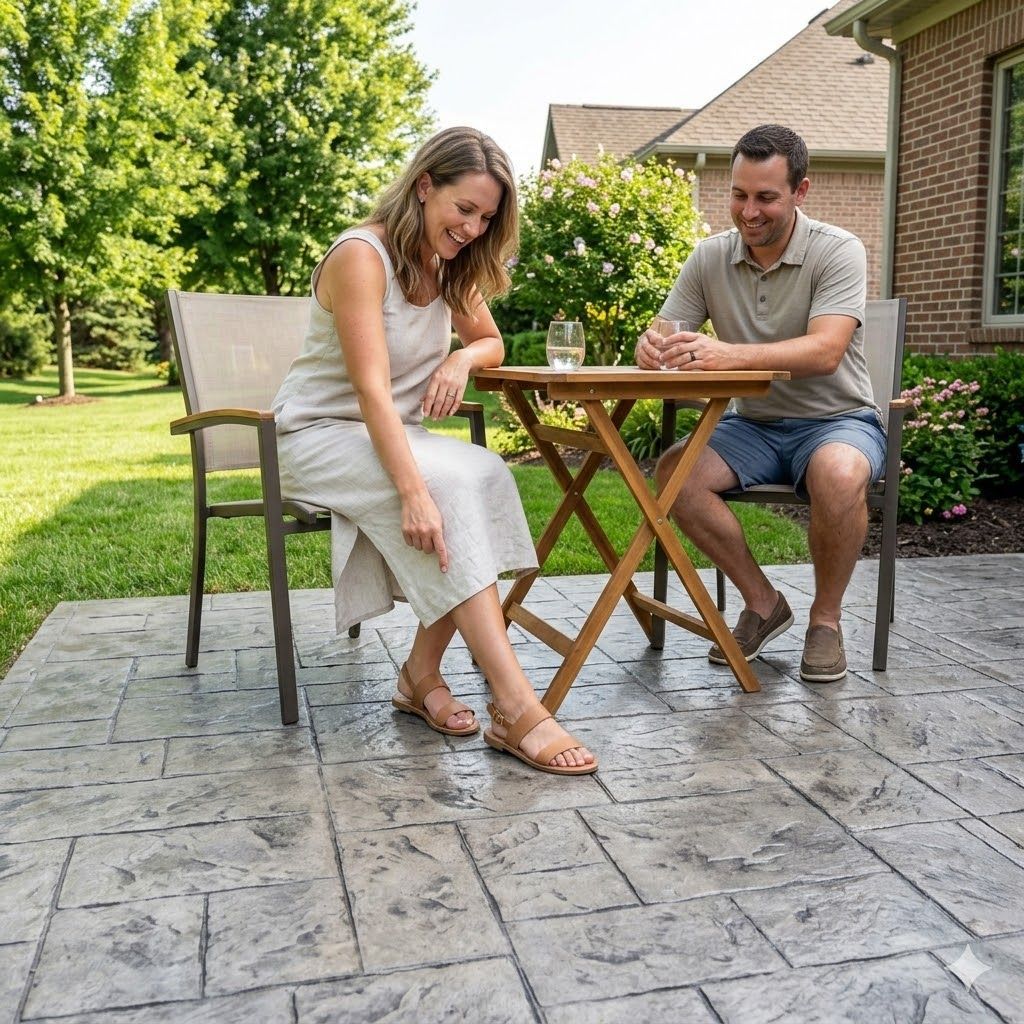
But what if you could have the strength of concrete with the look of expensive slate, rustic wood planks, or classic European cobblestone?
That is exactly where stamped concrete comes in. It is the ultimate "cheat code" for home improvement. You get a high-end, custom look for a fraction of the price of natural stone. If you’re a homeowner in the Youngstown area thinking about a backyard glow-up, you’ve probably got some questions. How does it work? Is it durable? Can I do it myself, or should I call in the pros at Precision Paving Youngstown?
In this guide, we’re going to pull back the curtain on the entire process. By the time you’re done reading, you’ll know exactly what it takes to get a magazine-worthy finish right in your own backyard.
What Exactly is Stamped Concrete?
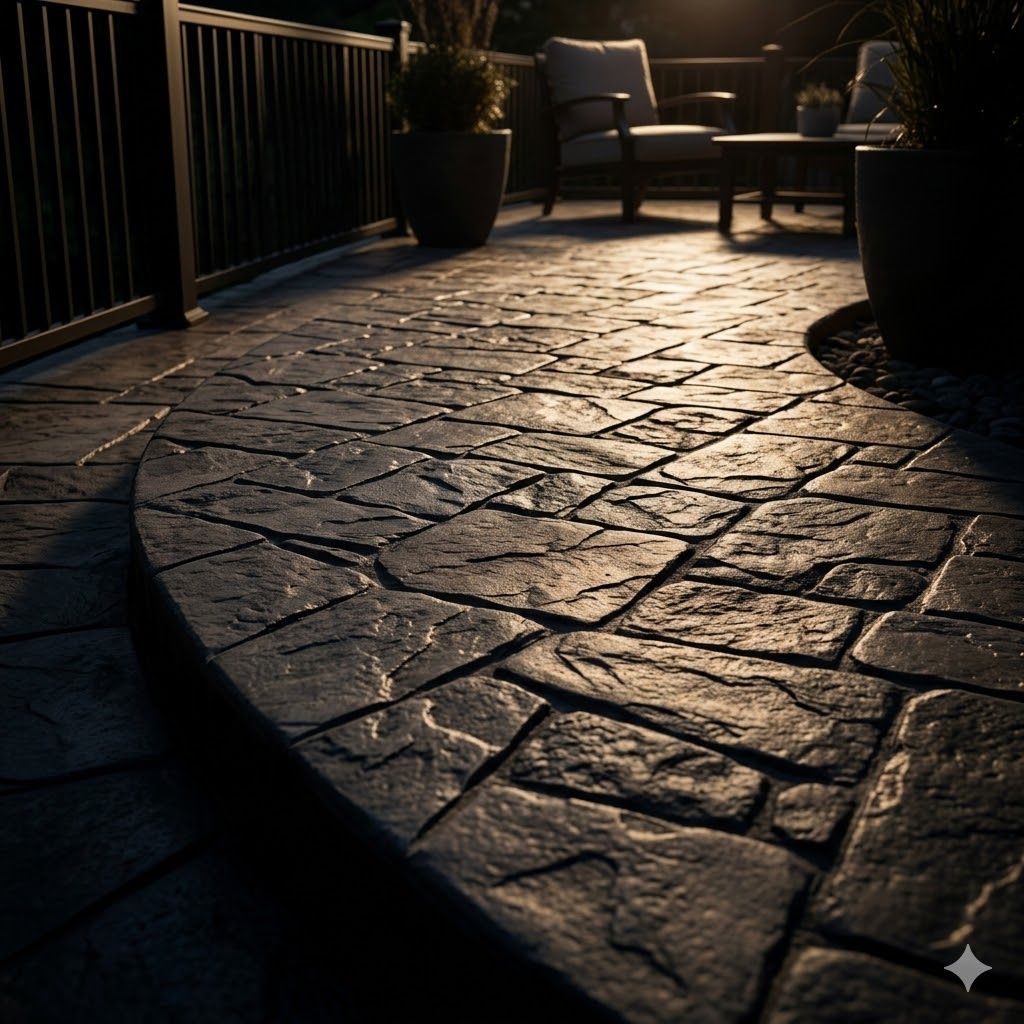
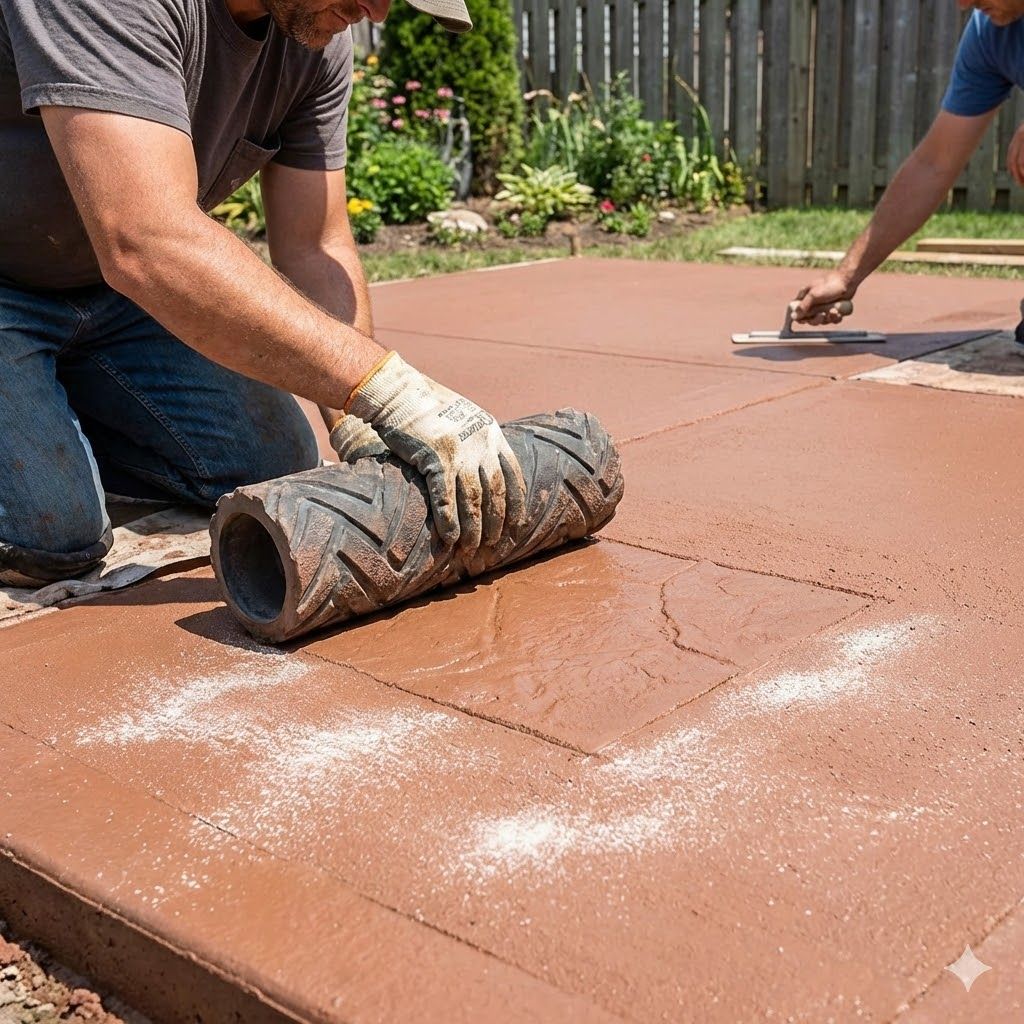
Before we dive into the "how," let's talk about the "what." Stamped concrete (often called textured or imprinted concrete) is a specialized finish where we use large, flexible rubber mats to "stamp" a pattern into fresh, wet concrete.
Think of it like using a giant cookie cutter on a fresh batch of dough. But instead of stars or hearts, we are imprinting the texture of heavy slate, hand-laid brick, or even the wood grain of cedar planks.
Why Homeowners Are Obsessed with Stamped Concrete
There are three big reasons why this has become the go-to choice for concrete installation in Youngstown:
- Versatility: You can match almost any architectural style.
- Cost: It looks like $30-per-square-foot stone but costs significantly less.
- Durability: Unlike individual pavers that can shift, sink, or let weeds grow through the cracks, a stamped slab is one continuous piece of reinforced concrete.
The Stamped Concrete Process: Step-by-Step
A lot of people think you just pour the mud and hit it with a stamp. If only it were that easy! Getting a professional-grade look requires a very specific sequence of events. Here is how the experts at Precision Paving Youngstown handle a typical project.
1. Site Preparation and Forming
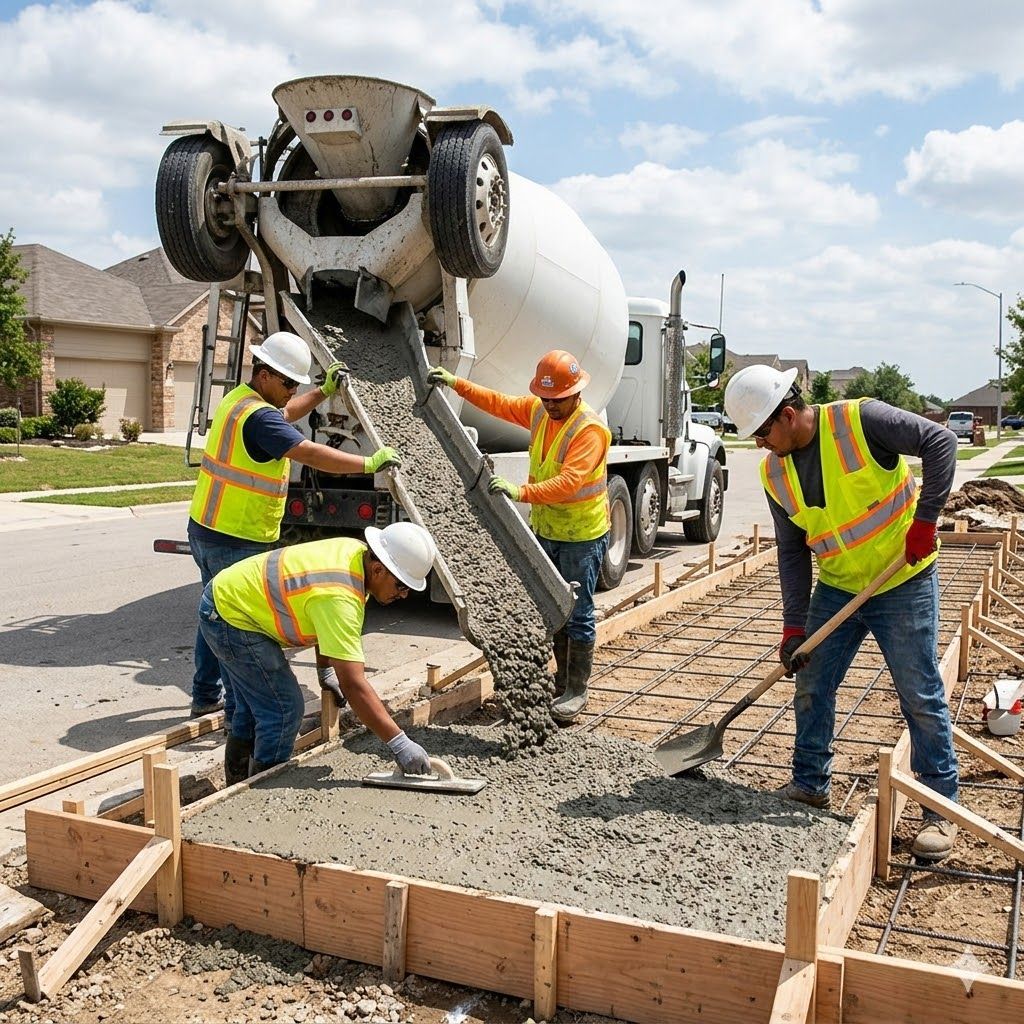
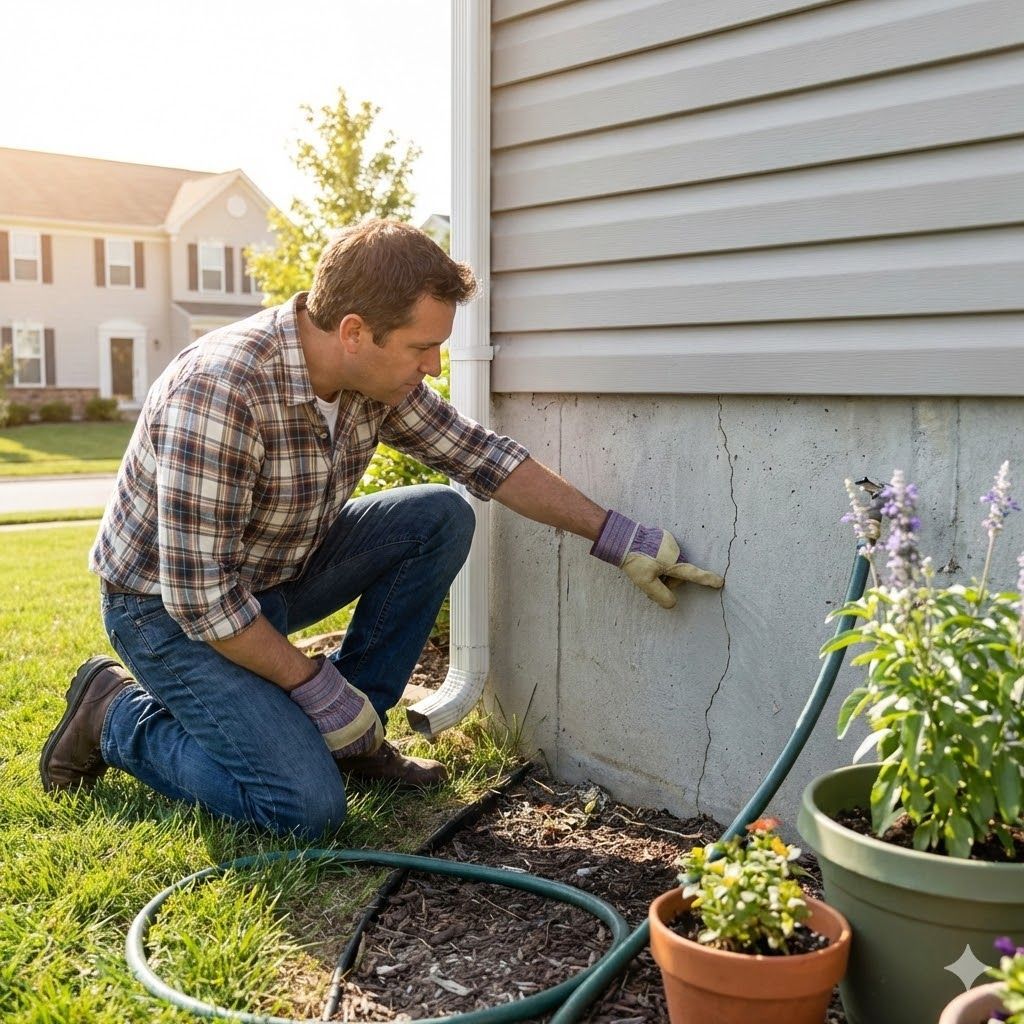
Just like a standard concrete slab, the foundation is everything. We dig out the area, add a compactable gravel base (crucial for Ohio’s freeze-thaw cycles), and set up the wooden forms. If the ground underneath isn't solid, your beautiful new pattern will be full of cracks by next spring.
2. The Pour and Screeding
We pour a high-strength concrete mix—usually a 4,000 PSI mix with fiber reinforcement. We level it off (screeding) and use a "bull float" to bring the "cream" to the surface. This creates the smooth canvas we need for stamping.
3. Adding the Color
This is where the magic starts. There are two ways to do this:
- Integral Color: The pigment is mixed right into the truck. The color goes all the way through the slab.
- Color Hardener: A powder is tossed onto the wet surface and floated in. This creates a very vibrant, wear-resistant top layer.
4. Applying the Release Agent
You can’t just press a rubber mat into wet concrete; it would stick like glue. We apply a "release agent"—usually a colored powder—that acts like flour on a rolling pin. This agent also gets pressed into the nooks and crannies of the stamp, creating those dark "antique" shadows that make the stone look real.
5. The Main Event: Stamping
Once the concrete has reached the consistency of modeling clay, the crew moves across the slab with the mats. This is a race against the clock. If the concrete gets too hard, the pattern won't take. If it’s too soft, the stamps will sink too deep.
6. Curing and Washing
We let the concrete rest for about 24 hours. Then, we wash away the excess release agent. This reveals the two-tone color effect that gives stamped concrete its depth and character.
7. Saw-Cutting Joints
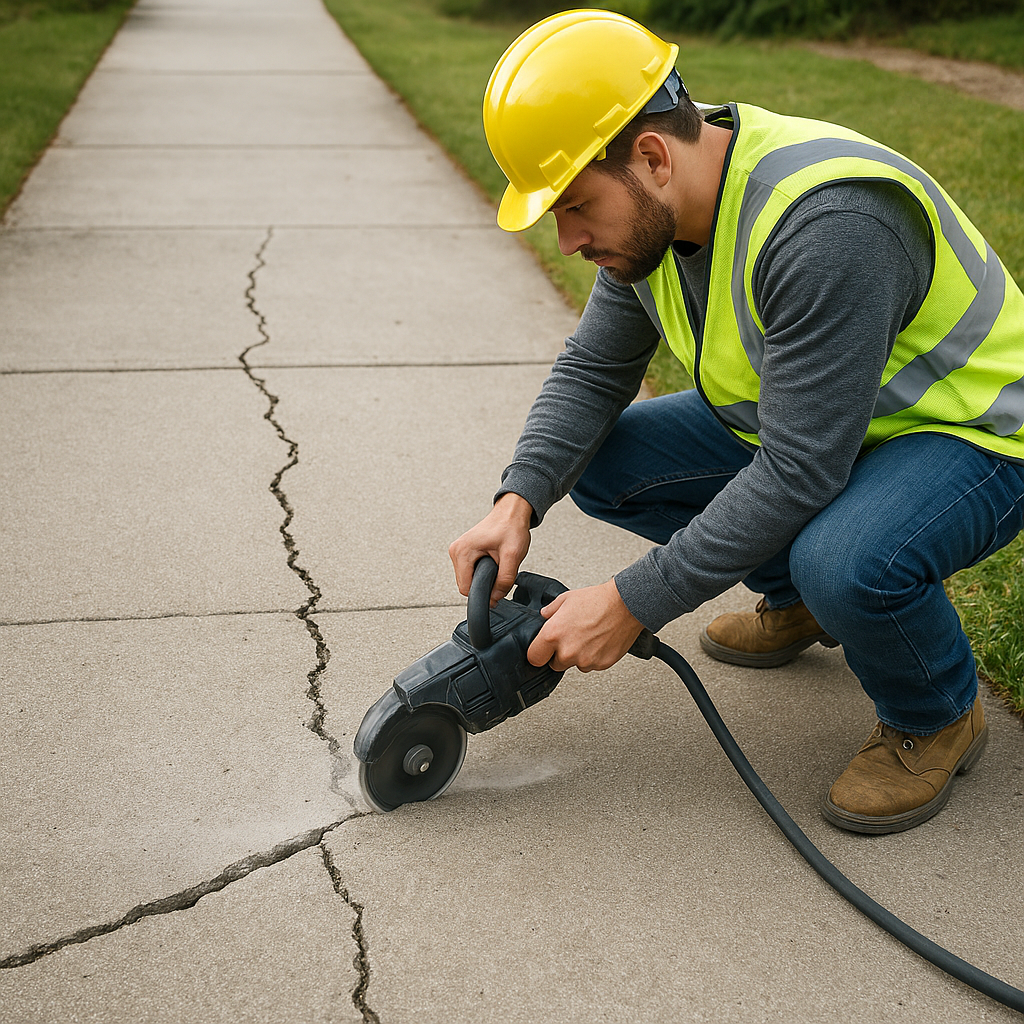
Even though it’s decorative, it’s still concrete. It will want to crack. We use specialized saws to cut "control joints" into the pattern. We try to hide these in the grout lines of the pattern so they are almost invisible.
8. The Final Step: Sealing
After the concrete has dried for a few days, we apply a high-quality acrylic sealer. This protects the color from UV rays and keeps water and road salt from soaking into the pores. Plus, it gives it that beautiful "wet look" finish.
Common Questions: Stamped Concrete FAQ
Is stamped concrete slippery?
It can be, especially when wet or icy. However, at Precision Paving Youngstown, we always mix a "non-slip" grit additive into our sealer. This gives the surface a sandpaper-like texture that is safe for bare feet and boots alike.
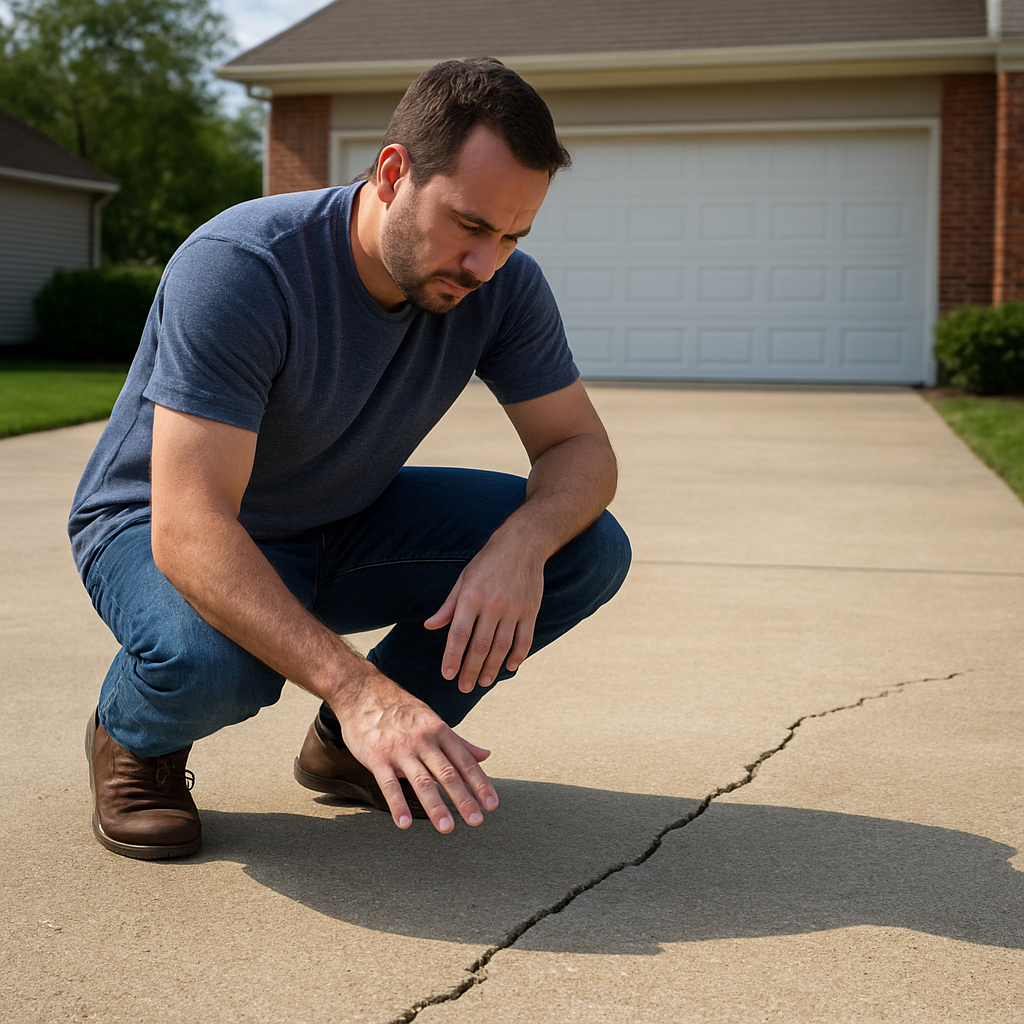
Does stamped concrete crack more than regular concrete?
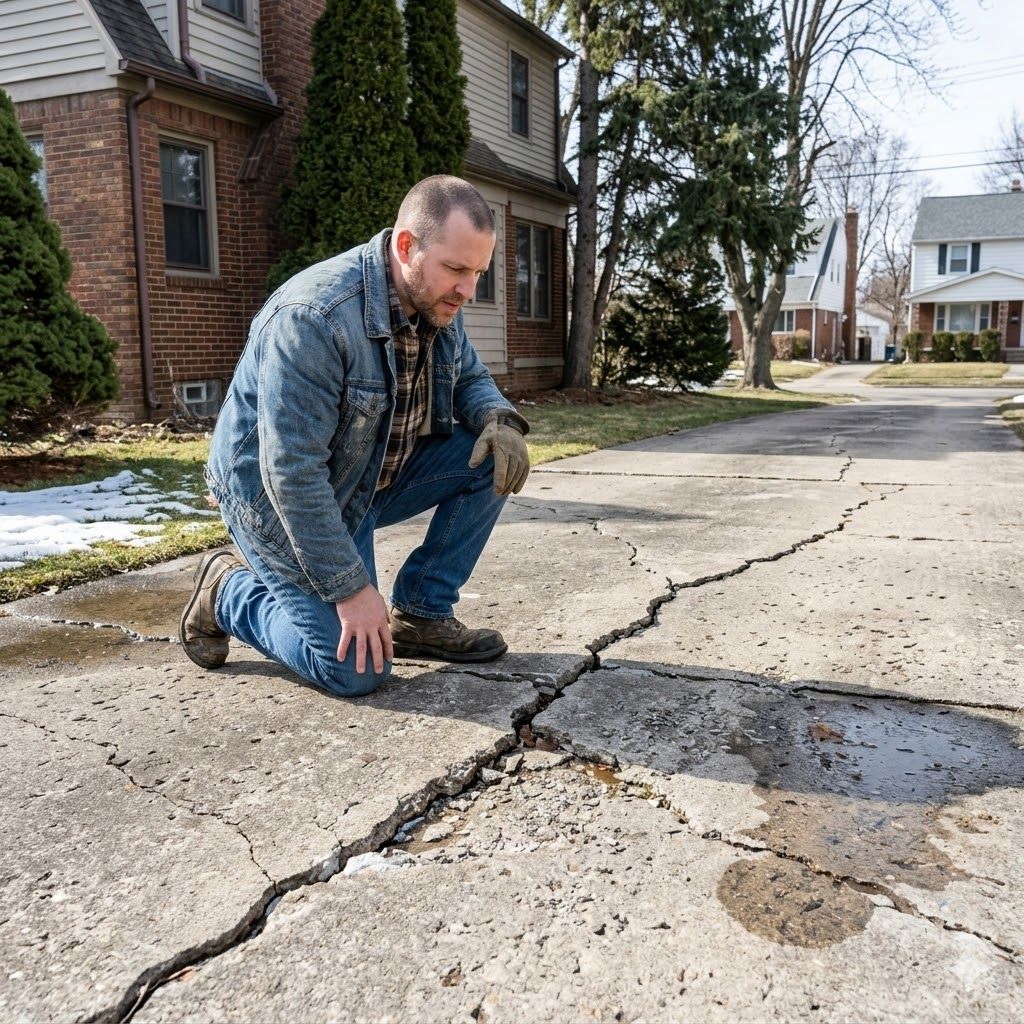
No. It has the same structural properties as a standard driveway or patio. In fact, because we use high-strength mixes and proper reinforcement, it’s often tougher than a basic sidewalk.
Can I salt my stamped concrete in the winter?
We strongly advise against it. Rock salt is brutal on any concrete surface, but it can specifically eat away at the sealer on decorative concrete. Use sand for traction, or a "concrete-safe" de-icer specifically labeled for decorative surfaces. Check out our guide on protecting concrete from road salt for more tips.
How often do I need to reseal it?
In the Youngstown area, we recommend resealing every 2 to 3 years. This keeps the colors vibrant and protects the surface from the Ohio winters. If your patio starts looking "chalky" or dull, that’s your sign it’s time for a fresh coat.
Important Statistics for Homeowners
If you are wondering if the investment is worth it, consider these industry facts:
- Value Boost: According to the National Association of Realtors, high-quality outdoor living spaces like stamped concrete patios can offer a return on investment (ROI) of up to 10% to 15% on your overall home value.
- Longevity: When properly maintained, a decorative concrete surface can last over 30 years, which is double the lifespan of many wood decks.
Cost Efficiency: Choosing stamped concrete over natural flagstone typically saves a homeowner between 30% and 50% on total project costs.
The "Integrity" Factor: Why Local Expertise Matters
You might see "DIY Stamping Kits" at the big box stores. While we love the DIY spirit, stamped concrete is one of the few home projects where a mistake is literally set in stone.
If you mess up a paint job, you can sand it down. If you mess up a concrete pour, you have to bring in a jackhammer.
In Youngstown, we also have to deal with heavy clay soil. If your contractor doesn't understand subbase compaction or how to handle the "frost heave" of a Mahoning Valley winter, your investment won't last.
"Decorative concrete is an art form that uses heavy industrial materials. You have to be an artist and an engineer at the same time to make it work long-term." — J.R. Stevens, Paving Specialist
This is why homeowners choose
Precision Paving Youngstown. We know the local codes, we know the soil, and most importantly, we don't "ghost" our customers. We show up when we say we will, and we stay until the sealer is dry and you’re 100% happy with the look.
Ready to Transform Your Home?
Whether you are looking to install a new concrete patio, a winding decorative walkway, or a driveway that makes a statement, stamped concrete is the perfect solution. It combines the rugged durability of a highway with the beauty of a high-end resort.
If the process sounds a little overwhelming, don't worry. You don't have to do it alone.
Ready for a free quote?
Contact
Precision Paving Youngstown today. Let’s sit down, look at some patterns and colors, and figure out how to give your home the curb appeal it deserves.