Stamped vs. Exposed Aggregate Concrete: Which Wins?
Stamped vs. Exposed Aggregate Concrete: Which Wins?
If you’re standing in your backyard in Youngstown, looking at a patch of grass or an old, cracked slab, you know you want an upgrade. You want that "wow" factor when you pull into the driveway or step out onto the patio for a morning coffee.
But as soon as you start Googling, you hit two big terms: Stamped Concrete and Exposed Aggregate.
Suddenly, it feels like you're trying to choose between two different styles of music. One is like a polished, intricate symphony, and the other is like a gritty, reliable rock anthem. Both are great, but which one belongs in your "home's playlist"?
Choosing the right finish isn't just about looks—it’s about how it handles the Ohio winters, how much work it takes to clean, and how it fits your budget. In this guide, we’re going to break down the battle of Stamped vs. Exposed Aggregate so you can pick the winner for your property.
1. The Challenger: What is Stamped Concrete?
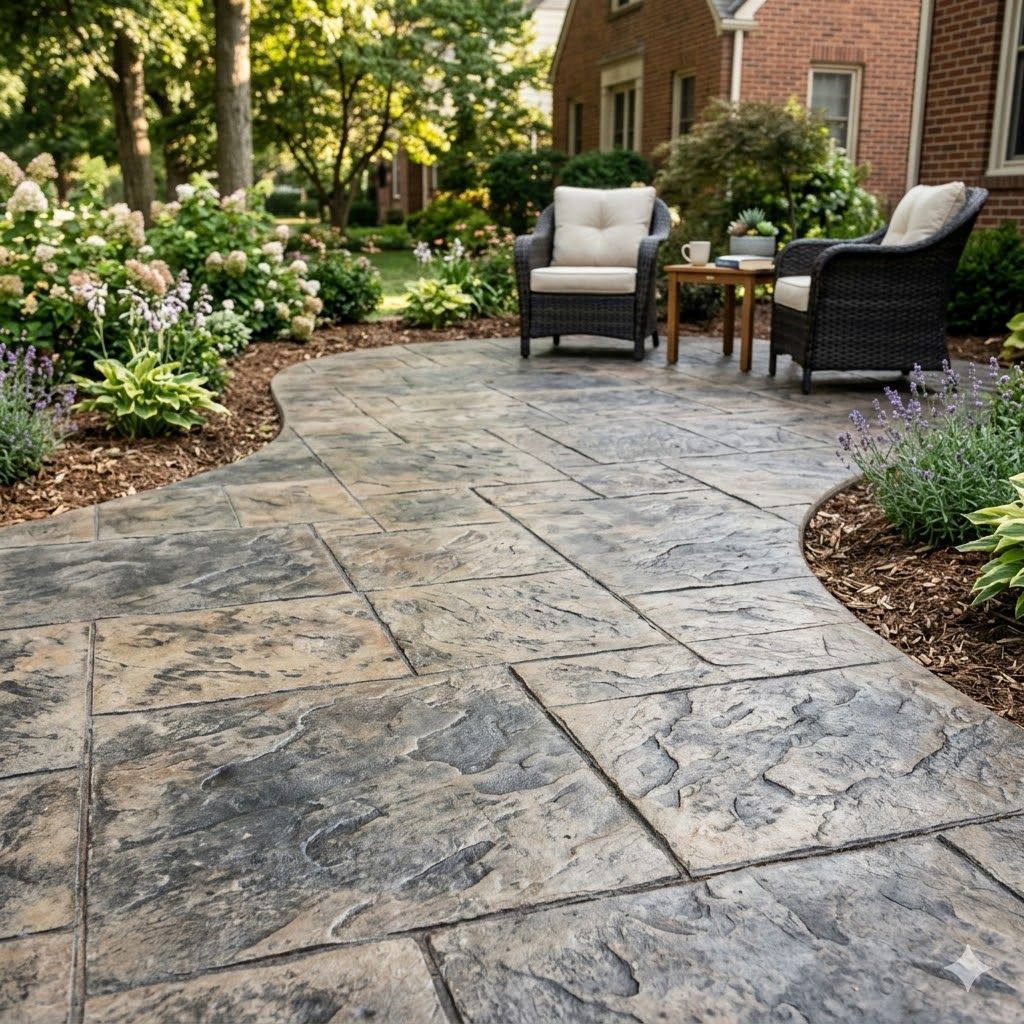
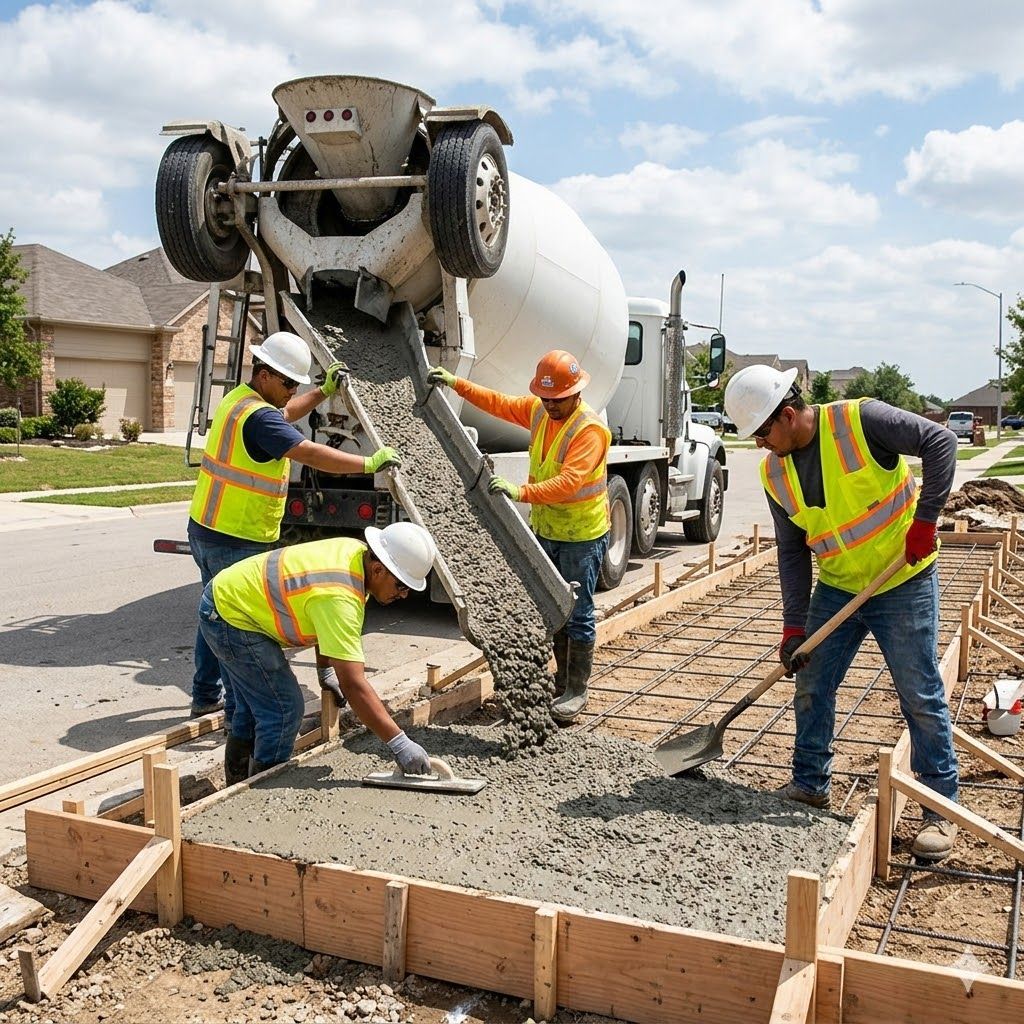
Let's start with the heavy hitter. Stamped concrete is essentially the "chameleon" of the construction world. When we pour a stamped concrete service in Youngstown, we wait until the concrete is just the right consistency, then we press large, rubber mats into the surface.
These mats have patterns built into them. We can make your concrete look like:
- Natural slate
- Weathered wood planks
- European cobblestone
- Classic brick
Because we also add "integral color" (dyes mixed into the wet concrete) and "release agents" (highlight colors on top), the end result looks incredibly realistic. It gives you the high-end look of stone but with the strength and lower cost of a single concrete pour. It’s why so many people look into stamped concrete in Ohio when they want to instantly boost their curb appeal.
2. The Defender: What is Exposed Aggregate?
If stamped concrete is the artist, exposed aggregate is the rugged outdoorsman.
To create this look, we pour concrete that is loaded with beautiful small stones, pebbles, or even crushed glass. After the concrete is leveled, we use a special chemical to slow down the drying of the very top layer. Once the rest of the slab is set, we wash away that top "skin" of cement to reveal the textured stones underneath.
The result? A rough, pebbly surface that looks totally natural. It feels great underfoot, looks like a riverbed, and is famous for being "tough as nails."
3. Style and Aesthetics: Which Looks Better?
This is where your personal "vibe" comes in.
Go with Stamped Concrete if: You want a specific "theme." If your house has a colonial look, a brick-patterned stamped concrete border looks amazing. If you have a modern home, large slate-texture squares give it a clean, expensive feel. It’s the ultimate choice for a concrete patio service where you want to impress the neighbors at the next BBQ.
Go with Exposed Aggregate if: You want a timeless, "earthy" look. Exposed aggregate doesn't try to be something else; it just looks like beautiful stone. It blends perfectly with landscaping, gardens, and wooden decks. It has a "permanent" feel to it that never goes out of style.
"Your driveway is the first handshake your home gives to a visitor. Make sure it's a firm, beautiful one." —
Youngstown Exterior Designer
4. Durability: The "Youngstown Winter" Test
Living in Y-Town, we have to talk about the snow. The "freeze-thaw cycle" is the enemy of all concrete. When water gets into pores, freezes, and expands, it can cause cracks.
- Exposed Aggregate is naturally very durable because it has a lot of "relief." The stones are tougher than the cement paste around them, so they can take a lot of abuse. It’s also naturally skid-resistant, which is a huge plus when your Y-town driveway is ready for winter.
- Stamped Concrete is also very strong, but because the surface is smoother, it can be a bit more slippery when wet or icy. However, a professional crew will always add a "non-skid" additive to the sealer to give you extra grip.
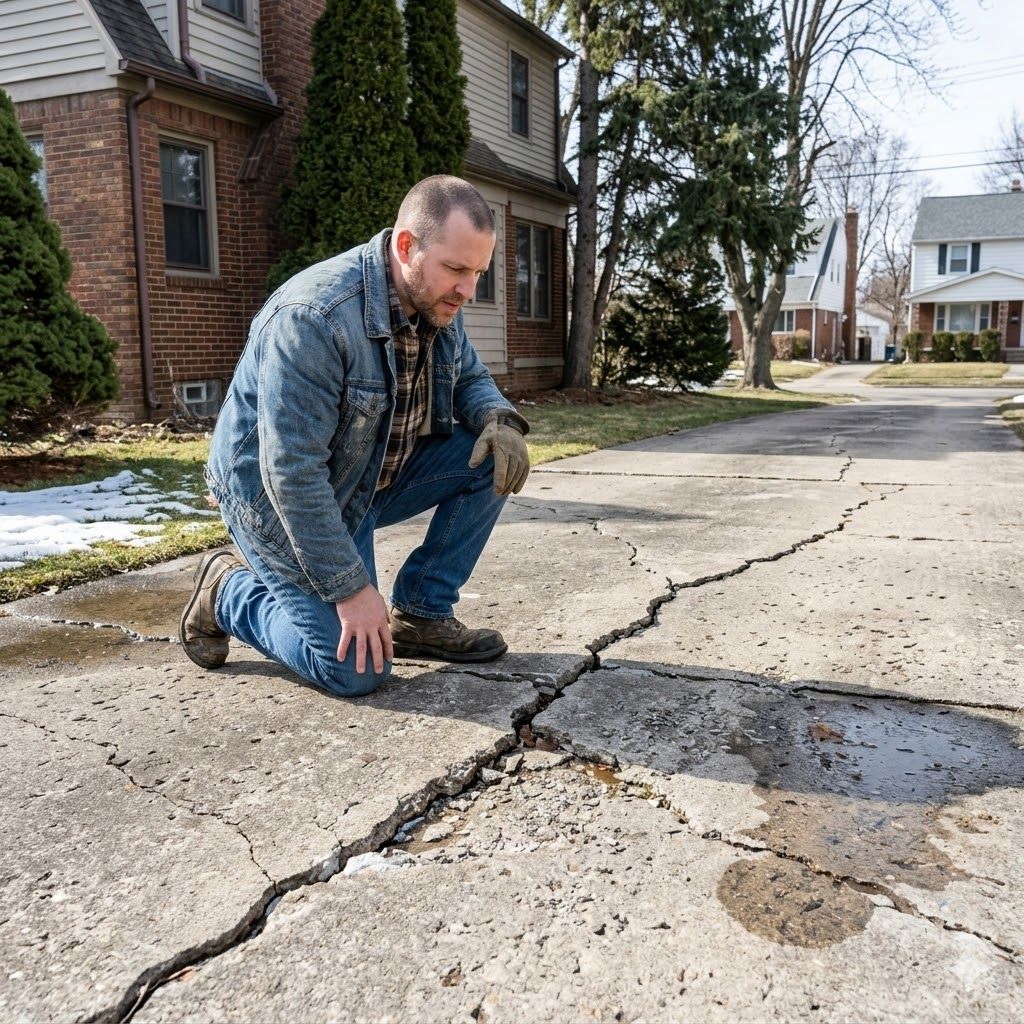
Neither of these finishes should be neglected. If you have a concrete foundation or a large driveway, you know that cracks happen if you don't maintain the surface. Both need to be sealed to keep that Ohio salt from eating away at the finish.
5. Maintenance: How Much Work Is It?
No matter which one you choose, you can’t just walk away and expect it to look new forever.
Stamped Concrete needs to be cleaned and resealed every few years. The sealer is what keeps the colors looking vibrant. If you let the sealer wear off, the colors can look "faded" (though a fresh coat of sealer usually brings them right back to life!). If you ever notice the edges starting to chip or crack, you’ll want to look into concrete driveway repair to nip it in the bud.
Exposed Aggregate is a bit more "low maintenance." Because the surface is already "rough," small scratches or bits of dirt don't show up as easily. It still needs to be sealed to protect the stones from popping out (pitting), but it’s generally more forgiving than the smooth surface of a stamp.
6. The Cost Factor
We have to be real here—your budget matters.
Generally speaking, stamped concrete is more expensive. Why? Because it takes more "human" power. The crew has to be fast, artistic, and precise with the stamps before the concrete gets too hard. It’s a specialized skill.
Exposed Aggregate is usually more affordable because the process is a bit more straightforward. You’re paying for the special stone mix and the chemical wash, but the labor isn't quite as "art-heavy" as stamping.
If you’re trying to decide if you should repair or replace your driveway, exposed aggregate is a great middle-ground that gives you a premium look without the "full custom" price tag of a stamped masterpiece.
Key Construction Statistic
According to the Concrete Network, a well-installed and sealed decorative concrete surface can last over 25 years, while standard asphalt often needs major repairs or replacement within 10–12 years. In a climate like Youngstown’s, choosing concrete over other materials can save a homeowner an average of $5,000 in maintenance costs over the life of the home.
7. FAQs: Common Homeowner Concerns
Is stamped concrete slippery?
It can be when it’s wet, especially if it has a high-gloss sealer. However, we always recommend adding a "grip" additive (like SharkGrip) to the sealer. This makes it safe for kids and pets to run on, even after a summer rain.
Can exposed aggregate be patched?
It's harder to patch than smooth concrete because matching the stone "reveal" is tricky. If you have a trip hazard, you might need an uneven sidewalk repair solution that levels the slab rather than just patching the top.
Which one increases home value more?
Both! Anything that moves you away from "plain gray" concrete boosts your curb appeal. However, stamped concrete usually has a slightly higher "appraisal" impact because it is seen as a luxury architectural feature.
Do I need a specialist for this?
Absolutely. Decorative concrete is not a DIY project. You have one shot to get the stamp or the wash right. If you miss the "window" of time, you’re stuck with a mess. Always look for foundation crack repair specialists and paving pros who have a portfolio of decorative work.
Conclusion: Who Wins the Battle?
The truth is, there is no single winner—there is only the winner for your home.
- Choose Stamped Concrete if you want to turn your backyard into a resort. If you want the neighbors to stop and stare at your "stone" walkway, this is your champion.
- Choose Exposed Aggregate if you want a rugged, beautiful, and safe surface that can handle the heaviest trucks and the iciest winters with zero complaints.
At Precision Paving Youngstown, we don't just pour concrete; we build foundations for your life. Whether you need a brand new concrete installation service or just some advice on which finish fits your "vibe," we are here to help.
Ready to transform your home?
Don't settle for boring gray. Contact us today for a free estimate and let’s talk about making your home the best-looking one on the block!